

Interior design styles are recognizable looks defined by their colors, materials, furniture, and overall mood. Popular styles range from modern, minimalist, and Scandinavian to bohemian, industrial, and Japandi. Each one follows a loose set of visual rules, which makes it easier to describe the feeling you want and build a room around it.
Naming a style is a shortcut. Instead of pointing at twenty photos and hoping a designer, or an AI rendering tool, reads your mind, you can say warm minimalist or coastal and land much closer on the first try. Most home decor styles fall into a handful of broad families. The Encyclopaedia Britannica sorts them into formal and informal groups, though in practice people shop by named looks. The list below covers more than twenty of the most common interior design styles, grouped so related types of interior design sit together, with the traits that separate one from the next.
Modern Interior Design Styles and Minimalist Looks
This family is built on restraint. The styles here share clean lines and low ornamentation, but they split apart on warmth, era, and how far they push simplicity.
- Modern: Rooted in early-to-mid 20th century modernism and the idea that form follows function. Expect clean lines, low clutter, and neutral colors paired with glass, steel, and polished wood.
- Contemporary: Often confused with modern, but it simply means what is current, so it shifts over time. Today it leans toward soft neutrals, curved furniture, and a mix of textures rather than a fixed rulebook.
- Minimalist: A stricter branch of modern that strips a room to essentials. Few colors, hidden storage, and generous empty space put the focus on proportion, light, and a small number of well made pieces.
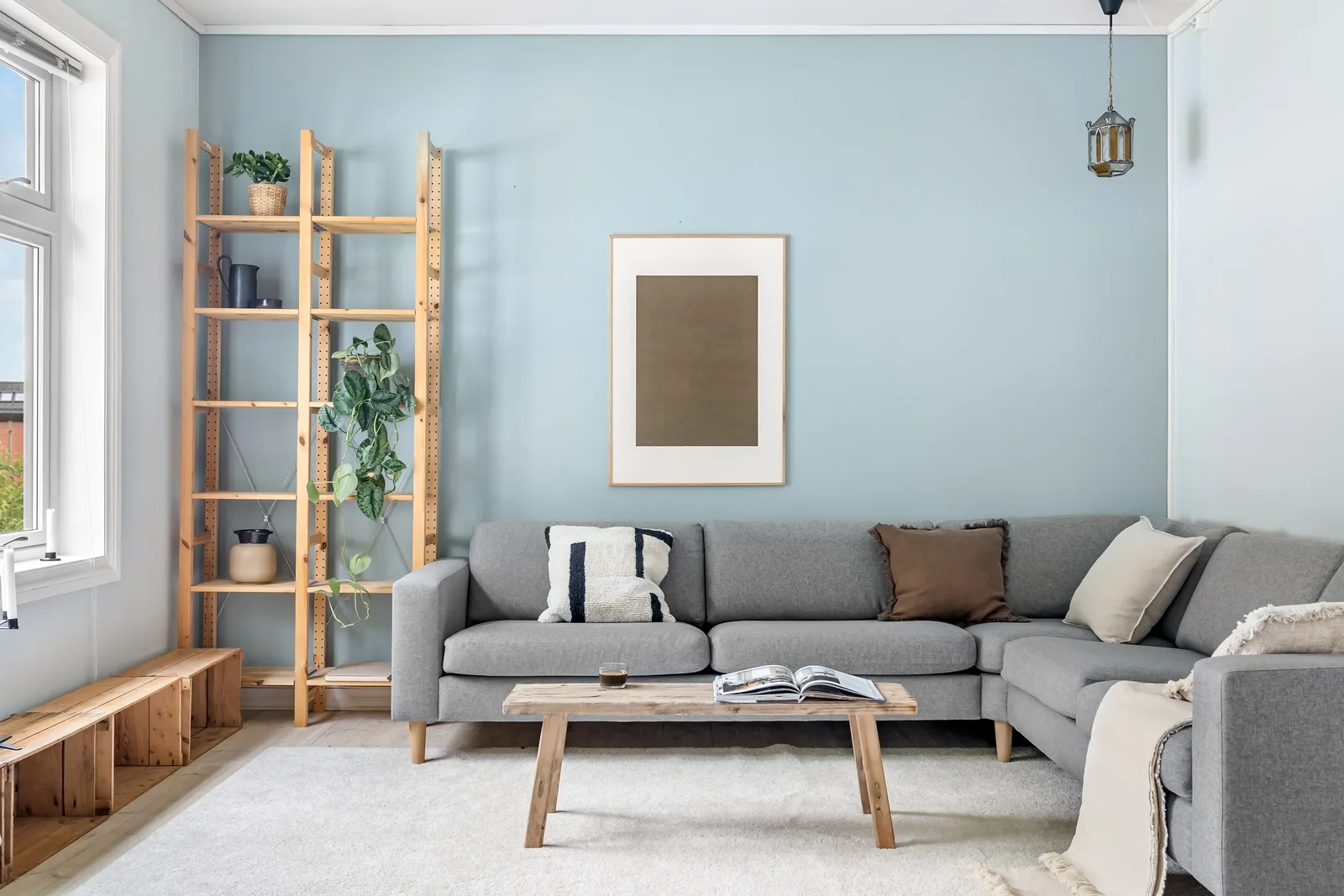
- Scandinavian: A Nordic look organized around light. Pale woods, white walls, soft textiles, and practical furniture create warmth in dark climates, an approach tied to the idea of hygge.
- Mid-Century Modern: The furniture language of the 1950s and 60s. Tapered legs, organic curves, teak and walnut, and bold accent colors read clean but warmer and more playful than strict minimalism.
- Japandi: A recent hybrid of Japanese restraint and Scandinavian function. Low furniture, natural materials, muted earth tones, and a calm, decluttered feel define it.
- Industrial: Borrowed from converted factories and lofts, with exposed brick, concrete, steel, and visible ductwork left raw on purpose. It overlaps with architectural styles like brutalism, softened indoors with leather and reclaimed wood.
How the Most-Confused Modern Styles Compare
These looks get mixed up constantly. Here is what actually separates them:
| Style | Rooted In | Defining Trait | Typical Palette |
|---|---|---|---|
| Modern | Early-to-mid 20th c. modernism | Clean lines, function first | Neutrals, black, white, wood |
| Contemporary | Whatever is current now | Evolving, soft curves, texture | Warm neutrals, muted tones |
| Minimalist | Modernism, taken further | Bare essentials, empty space | White, grey, one or two accents |
| Scandinavian | Nordic function and light | Cozy, pale, practical | White, pale wood, soft pastels |
| Mid-Century Modern | 1950s and 60s | Tapered legs, organic curves | Teak tones, mustard, olive, teal |
| Industrial | Converted factories and lofts | Raw, exposed structure | Grey, brown, black, rust |
You can browse example interior renders across several of these looks to see how each palette reads once a room is finished rather than described.
Traditional and Classic Home Interior Styles
Where the modern family subtracts, these home interior styles add. They lean on history, symmetry, and richer materials, ranging from fully formal to softened and livable.
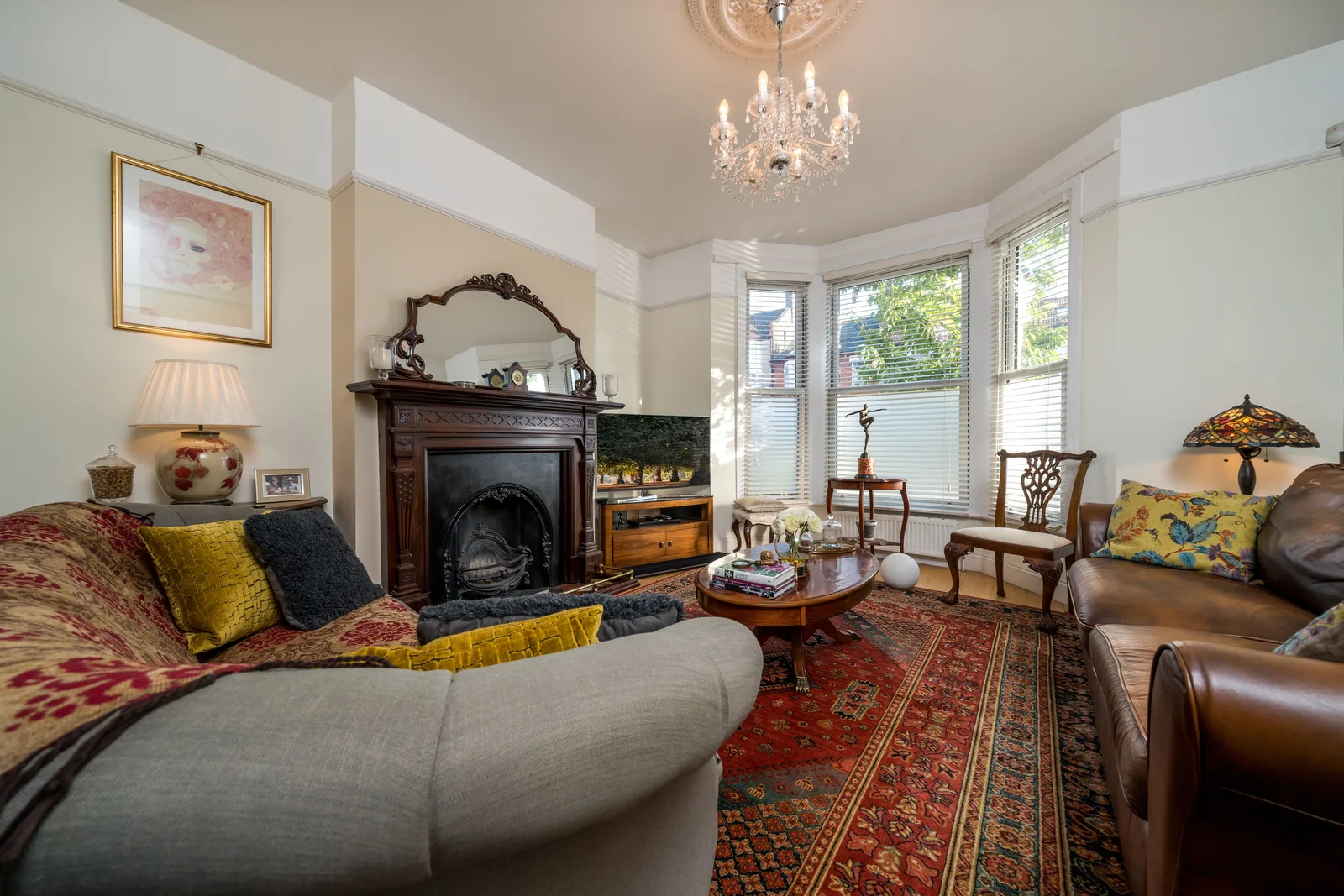
- Traditional: Draws on 18th and 19th century European interiors. Symmetry, dark woods, silk and velvet, crown molding, and antique or antique-style furniture give it a formal, settled feel.
- Transitional: A middle ground between traditional and contemporary. It keeps classic shapes and comfort but drops heavy ornament and busy patterns for a calmer, neutral palette.
- Art Deco: A bold 1920s and 30s style of geometric patterns, strong lines, and luxe materials like chrome, mirror, lacquer, and brass. The effect is glamorous and graphic.
- Hollywood Regency: High-contrast and theatrical. Glossy surfaces, metallics, velvet, and statement lighting create a polished, dressed-up room with old-Hollywood drama.
- French Country: Rustic warmth with an elegant edge. Faded colors, natural stone, distressed wood, toile patterns, and curved furniture evoke the farmhouses of Provence.
📌 Did You Know?
The name Art Deco was not used while the style was at its peak. According to the Victoria and Albert Museum, the term was coined in the 1960s, borrowed from the 1925 Paris Exposition Internationale des Arts Decoratifs et Industriels Modernes that first brought the look to a wide audience.
Rustic and Relaxed Interior Design Types
These interior design types trade polish for texture and ease. Natural materials, casual layouts, and a lived-in feeling do most of the work.
- Farmhouse: Practical and cozy, with shiplap walls, apron sinks, natural wood, and a white-and-neutral base. The modern farmhouse version keeps the warmth but adds cleaner lines and black accents.
- Rustic: Raw and nature-driven, leaning on heavy timber, stone, exposed beams, and unfinished textures for a rugged, cabin-like character.
- Coastal: Light and airy, inspired by the shoreline. Whites, sandy neutrals, and blues pair with linen, natural fibers, and plenty of daylight.
- Shabby Chic: Soft, vintage, and gentle. Distressed painted furniture, pastel tones, and floral prints celebrate wear instead of hiding it.
- Bohemian: Layered and unconventional. Mixed patterns, global textiles, plants, warm colors, and collected pieces build a relaxed, personal, artistic space.
Regional and Nature-Inspired Interior Design Aesthetics
The last group covers place-based and nature-led interior design aesthetics, plus two looks that sit at the far ends of how much decoration a room can hold.
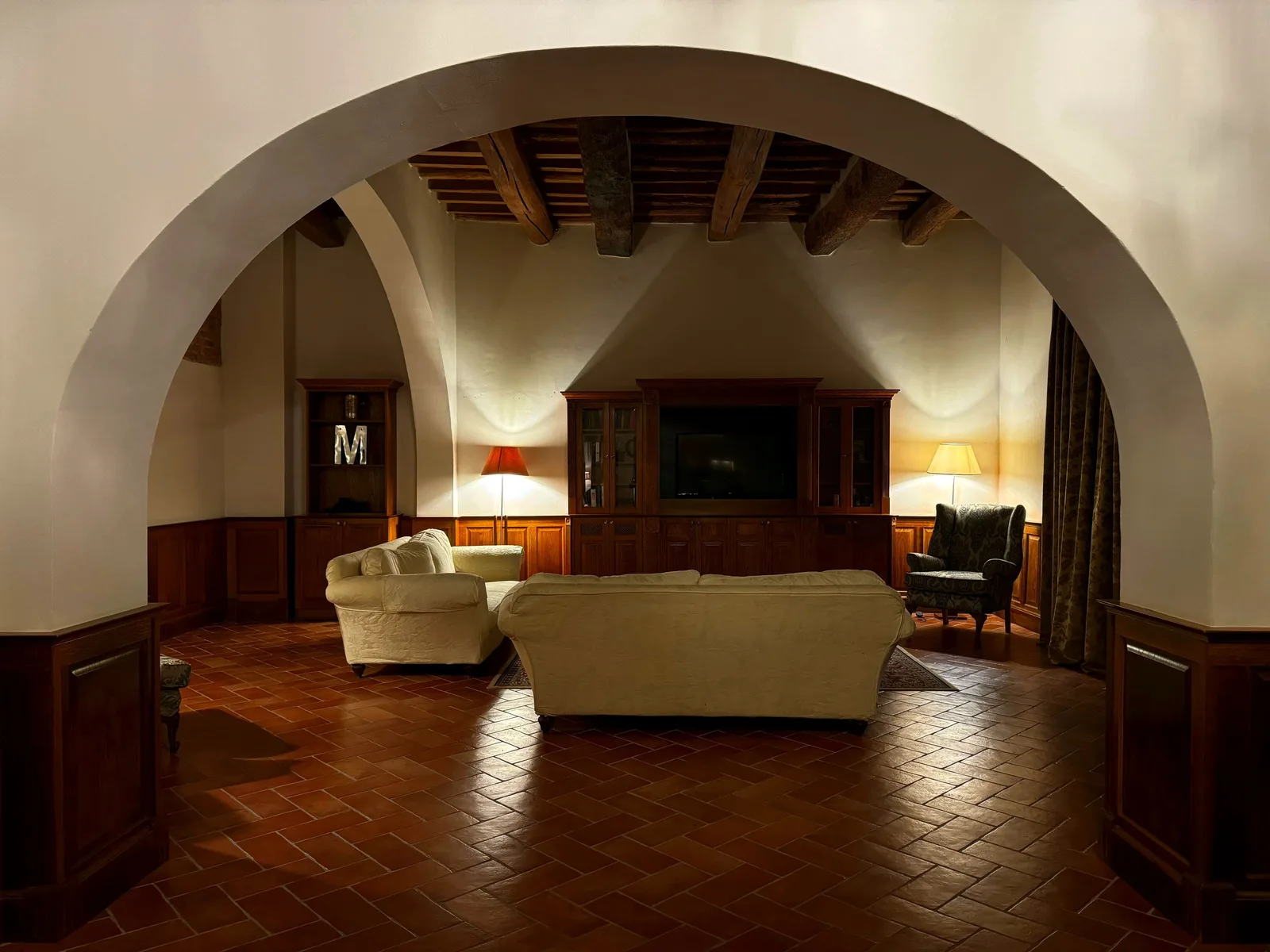
- Mediterranean: Warm and sun-washed, drawn from Spain, Italy, and Greece. Terracotta, stucco, arches, wrought iron, and earthy tones with blue accents shape the look.
- Southwestern: Desert-inspired, blending Spanish and Native American influences through adobe textures, warm earth tones, leather, terracotta, and woven patterns.
- Wabi-Sabi: A Japanese philosophy turned interior style that finds beauty in imperfection and age. Handmade objects, natural materials, muted tones, and a quiet, unpolished simplicity.
- Biophilic: Design built around a connection to nature, using abundant plants, natural light, and organic materials. It is an angle the American Society of Interior Designers ties to occupant health and wellbeing.
- Maximalist: The opposite of minimalism. Saturated color, layered pattern, and abundant decoration, done with intention so a full room still feels considered rather than chaotic.
- Eclectic: A deliberate mix of styles, eras, and origins held together by a shared thread such as color or scale. Done well, it reads personal rather than random.
How Do You Choose the Right Interior Design Style?
Start with the rooms and objects you already love, then look for what they share. Note the colors, the amount of visual detail, and the materials that keep showing up. That pattern usually points to one or two styles, which gives you a name to build around and shop toward.
Your space sets limits too. Fixed elements like flooring, window shapes, ceiling height, and natural light narrow the field before you pick a single item. In small house interior design, lighter and simpler looks such as Scandinavian or minimalist tend to make a compact room feel larger, while heavy traditional or dark industrial schemes can close it in. With this list of interior design styles in hand, you can preview a style on a photo of your actual room before buying anything, and decide whether to present it as a photorealistic or a looser stylized render.
💡 Pro Tip
When you blend two styles, let one lead. A rough 80/20 split, one dominant style with the second showing up only in textiles, lighting, or a few key pieces, keeps a room from reading as indecisive. Anchor the split to whatever is hardest to change, usually the flooring or built-ins, and choose the second style to complement it.
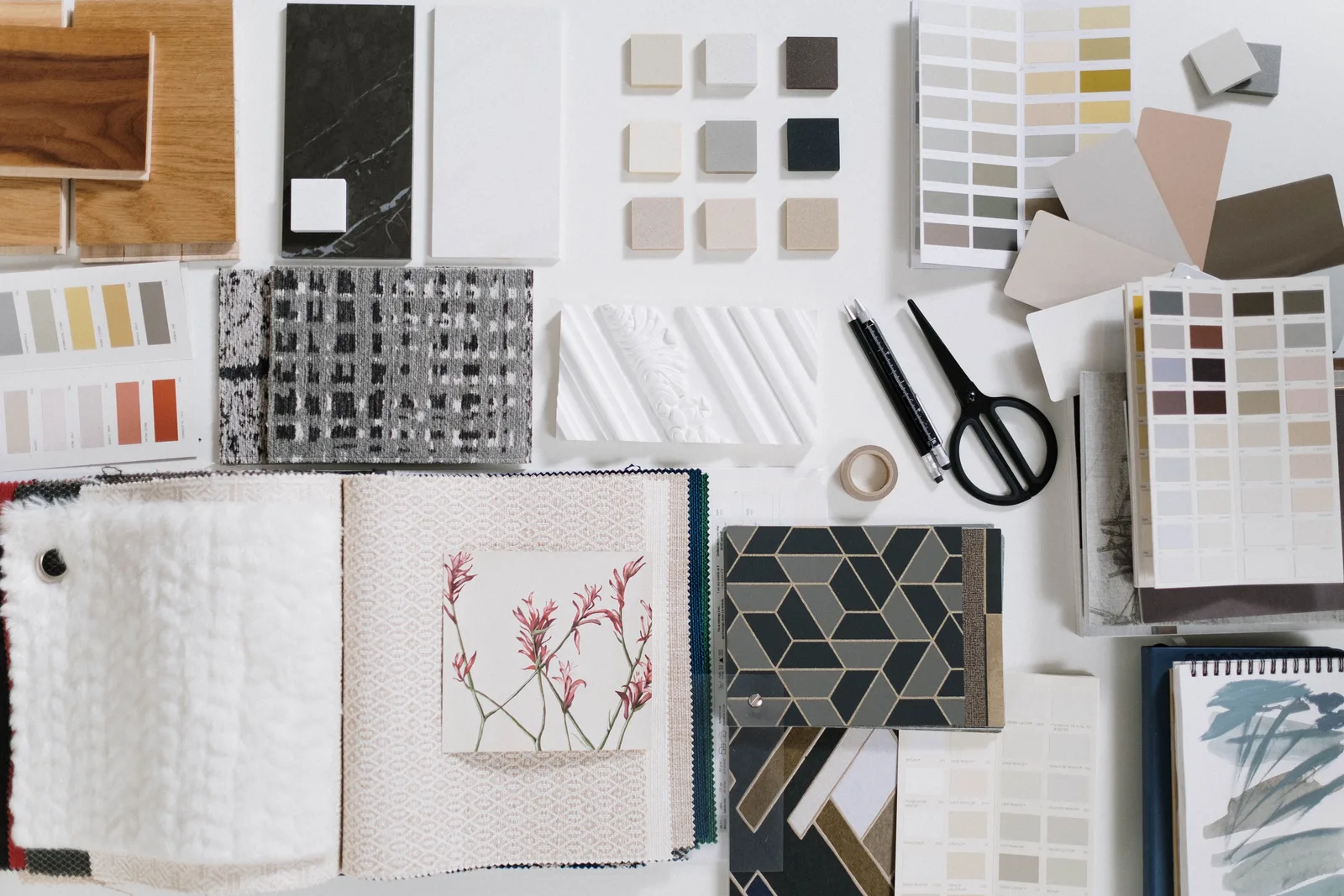
Test before you commit. Paint samples shift under different light, and a look that reads calm in a showroom can feel cold at home. Popular interior design styles like Scandinavian, farmhouse, and transitional stay flexible enough to adjust as you live with them, which matters more than getting every detail right on day one.
⚖️ Pros & Cons at a Glance
✔️ Pros of committing to one style: A cohesive result, easier sourcing and shopping, a room that reads intentional
✖️ Cons: Can feel rigid or showroom-like, harder to layer in personality, trend-driven versions date faster than classic ones
Putting It All Together
Bottom Line: Styles are a vocabulary, not a set of rules you owe anything to. Learn the common ones well enough to name what you like, borrow across them where it serves the room, and let the fixed parts of your space guide the rest.
