Entourage architecture means everything in a drawing or render that is not the building: people, trees, vehicles, furniture, sky and the general life of a place. It exists to establish scale, indicate use and give the image a sense of occupation, and it is where a large share of otherwise competent visuals fall apart.
The failure is almost always excess. A render with forty people, twelve cars and a full street market is showing entourage rather than architecture. Good entourage architecture is close to invisible, which is the whole difficulty of it.
What Entourage Architecture Is Actually Doing
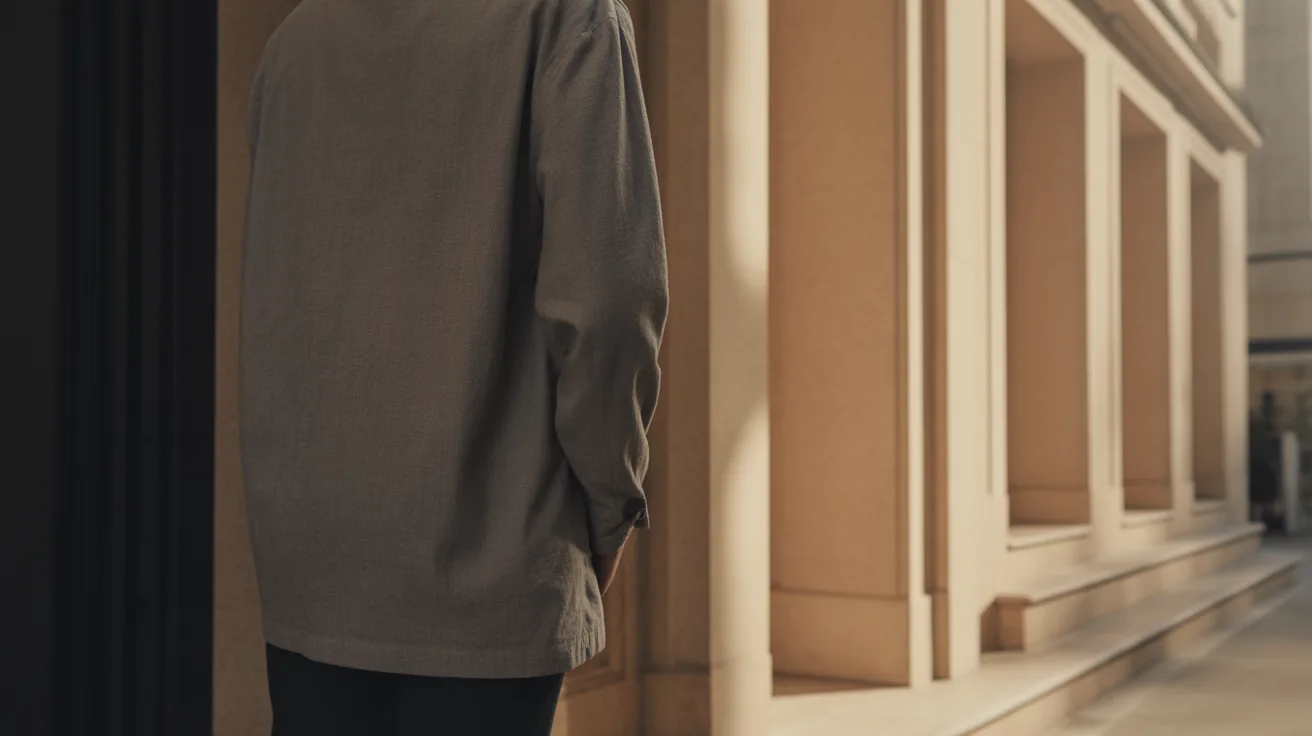
Establishing scale is the primary job. A building has no inherent size in an image, and a person beside a door tells the viewer everything about proportion in an instant.
Indicating use is the second. People sitting on steps says the steps are a place to sit. An empty plaza says nothing, or worse, says the plaza is empty.
Setting the tone is the third. The same building with families in the foreground and with business people in the foreground reads as two different projects.
Composing the image is the fourth and least discussed. Figures direct the eye, frame the subject and fill dead foreground space, which is a compositional function rather than a narrative one.
💡 Pro Tip
Place figures where you want the viewer to look, then remove every one that is not doing a job. Most renders improve when half the people are deleted. If you cannot explain what a figure contributes, it is competing with the building for attention.
Getting People Right
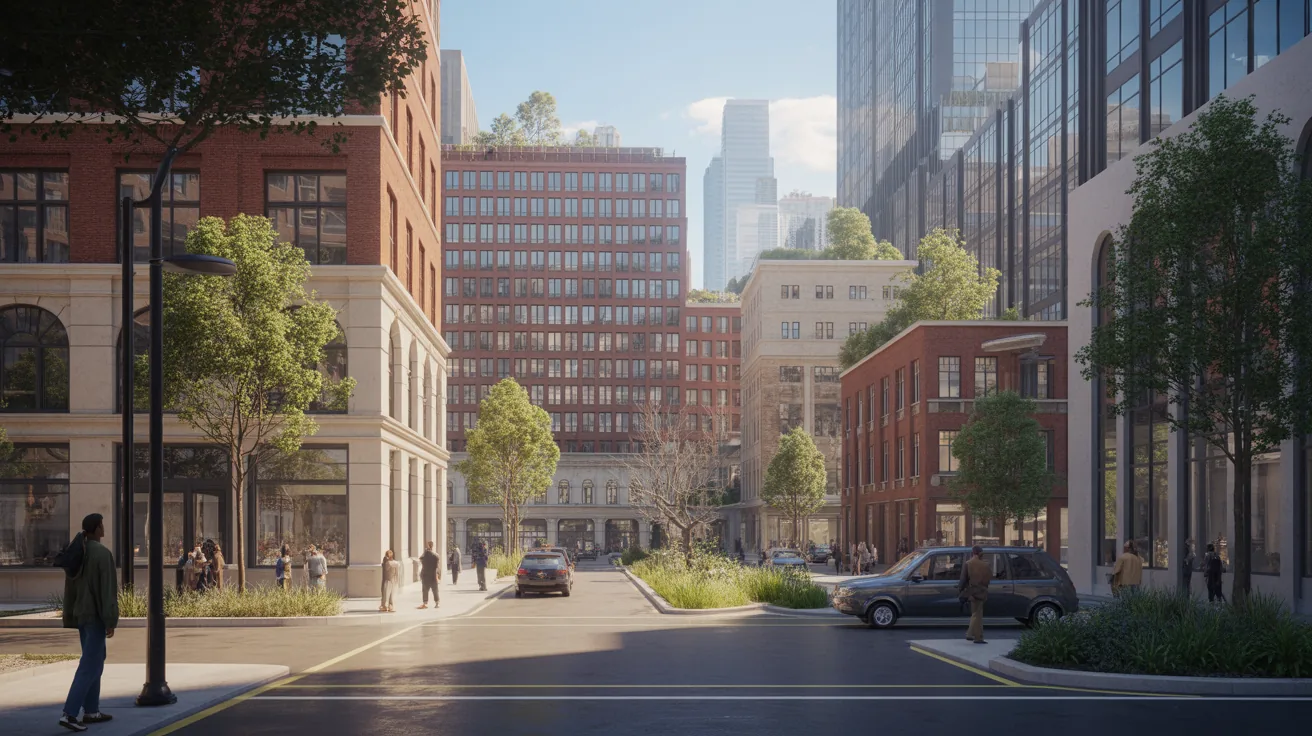
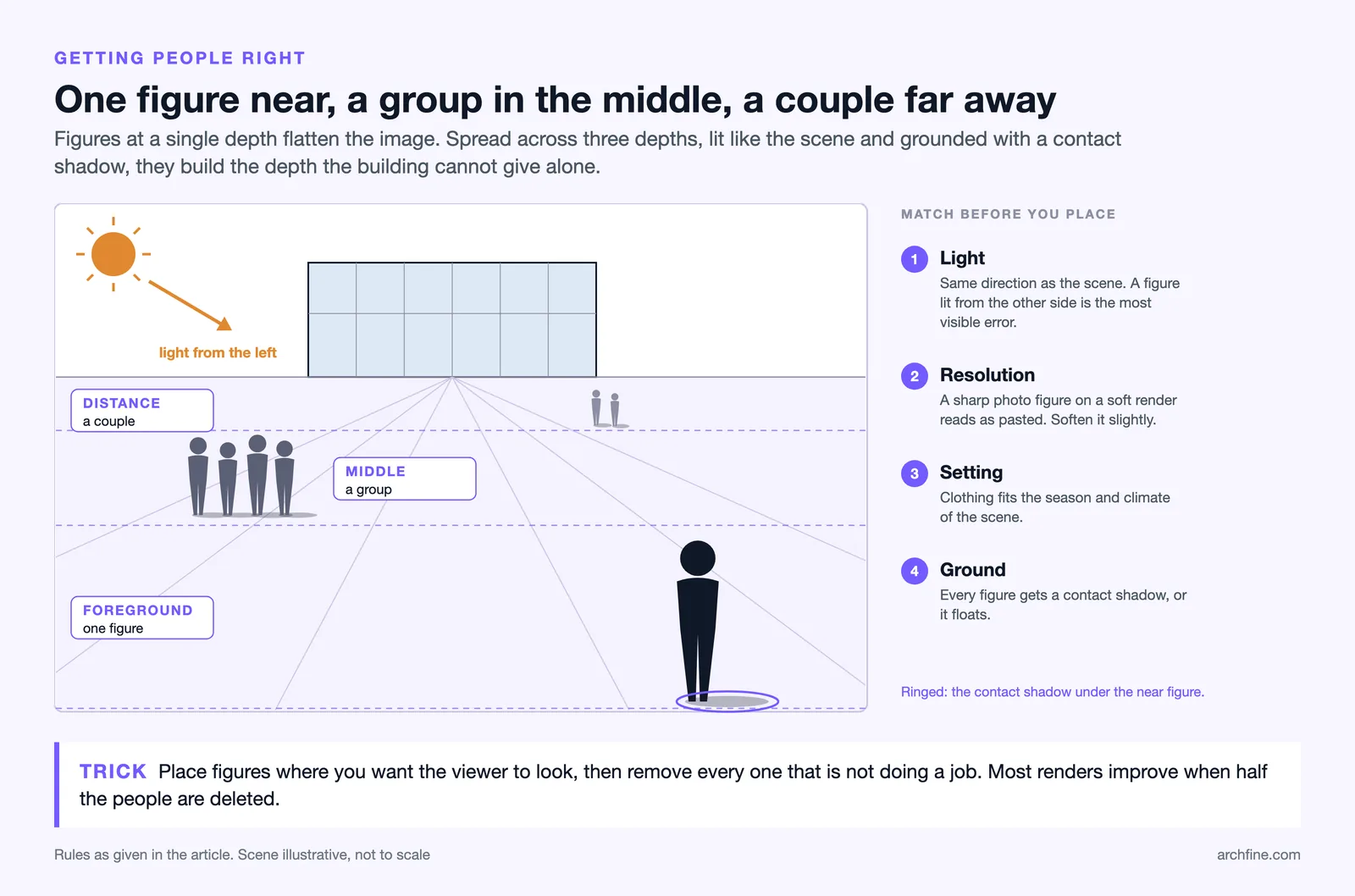
Match the light. A cut out figure lit from the left in a scene lit from the right is the most common and most visible entourage error, and viewers register it before they identify it.
Match the resolution. A high resolution photographic figure beside a soft rendered background reads as pasted, and slightly softening the figure fixes it.
Match the setting. Figures dressed for a Mediterranean summer in a northern European winter scene look wrong for reasons nobody articulates.
Vary the distance. Figures all at the same depth flatten the image. One in the near foreground, a group in the middle and a couple in the distance creates depth that the building alone does not.
Ground them properly. A figure with no contact shadow floats, which is the same problem that ambient occlusion solves for objects, as our guide to ambient occlusion covers.
Vegetation
Species data published by bodies such as the Royal Horticultural Society is worth checking when planting is specified. Trees carry more visual weight than any other entourage element and cost the most in render time.
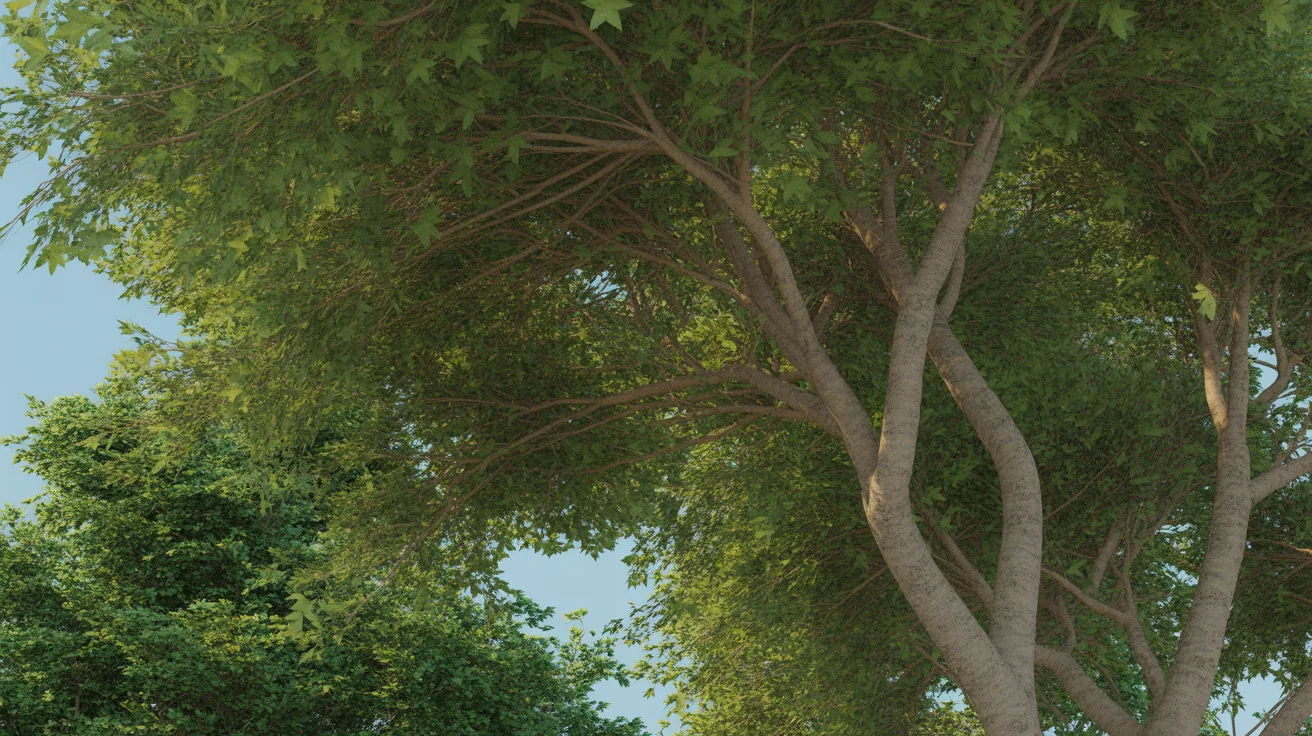
Species matters more than people expect. A generic library tree in a scheme where the planting strategy is specified undermines the drawing, and matching the actual species is a small effort with a real payoff.
Season matters equally. A summer canopy hides a building and a winter one reveals it, which is a compositional decision as much as a horticultural one.
Backlighting is what makes foliage read as alive. Leaves with light coming through them separate into depth, which depends on the material behaviour covered in our guide to subsurface scattering.
Vehicles and Street Life
Cars date an image faster than anything else in it, and a scheme completing in five years photographed with today’s vehicles will look odd quickly.
They also send a message about the project. A render full of parked cars communicates something about how the scheme expects people to arrive, which may not be what the design intends.
Street furniture, bins, signage and cycle parking are the elements that make a public realm image credible, and their absence is what makes many renders read as marketing rather than as a proposal.
Entourage by image type
| Image type | People | Emphasis |
|---|---|---|
| Street level exterior | 5 to 10 | Occupation and scale |
| Aerial or context | Barely visible | Vegetation and vehicles |
| Interior | 0 to 3 | Furniture and objects |
| Diagram or section | Silhouettes only | Scale reference |
Style Consistency
All entourage in one image should share a visual language. Photographic figures beside illustrated trees reads as assembled from parts, because it is.
The choice of language is itself a decision. Photographic entourage pushes an image toward realism, and drawn or silhouetted entourage keeps it diagrammatic, which suits early stage work, as our guide to architecture collage covers.
Hold the choice across a set. Six images with consistent entourage read as one project, and six with different treatments read as six separate exercises.
Where to Get It
Cut out figure libraries exist commercially and free (the free ones usually lower resolution and less varied), and model libraries such as the 3D Warehouse cover vehicles and furniture. Published project photography on ArchDaily is a useful reference for how real buildings are actually occupied.
Photographing your own is underrated. A morning shooting people in a similar setting produces figures nobody else is using, appropriate to the location and lit consistently.
Model libraries such as the 3D Warehouse carry vehicles and furniture, with the file weight caveats covered in our guide to finding usable models.
Generated entourage is now viable for figures and vegetation, producing elements that exist nowhere else, though matching lighting remains a manual job.
Quick Recap:
- Entourage establishes scale and occupation, and it should not compete with the building.
- Match light direction, resolution and setting, or the elements read as pasted in.
- Vary the depth of figures to create the sense of space the building alone does not.
- Hold one visual language across a set of images rather than mixing photographic and drawn.
Entourage in Drawings Rather Than Renders
Plans, sections and elevations need entourage too, and it works differently there. Figures in a section establish scale and occupation in a drawing that is otherwise abstract.
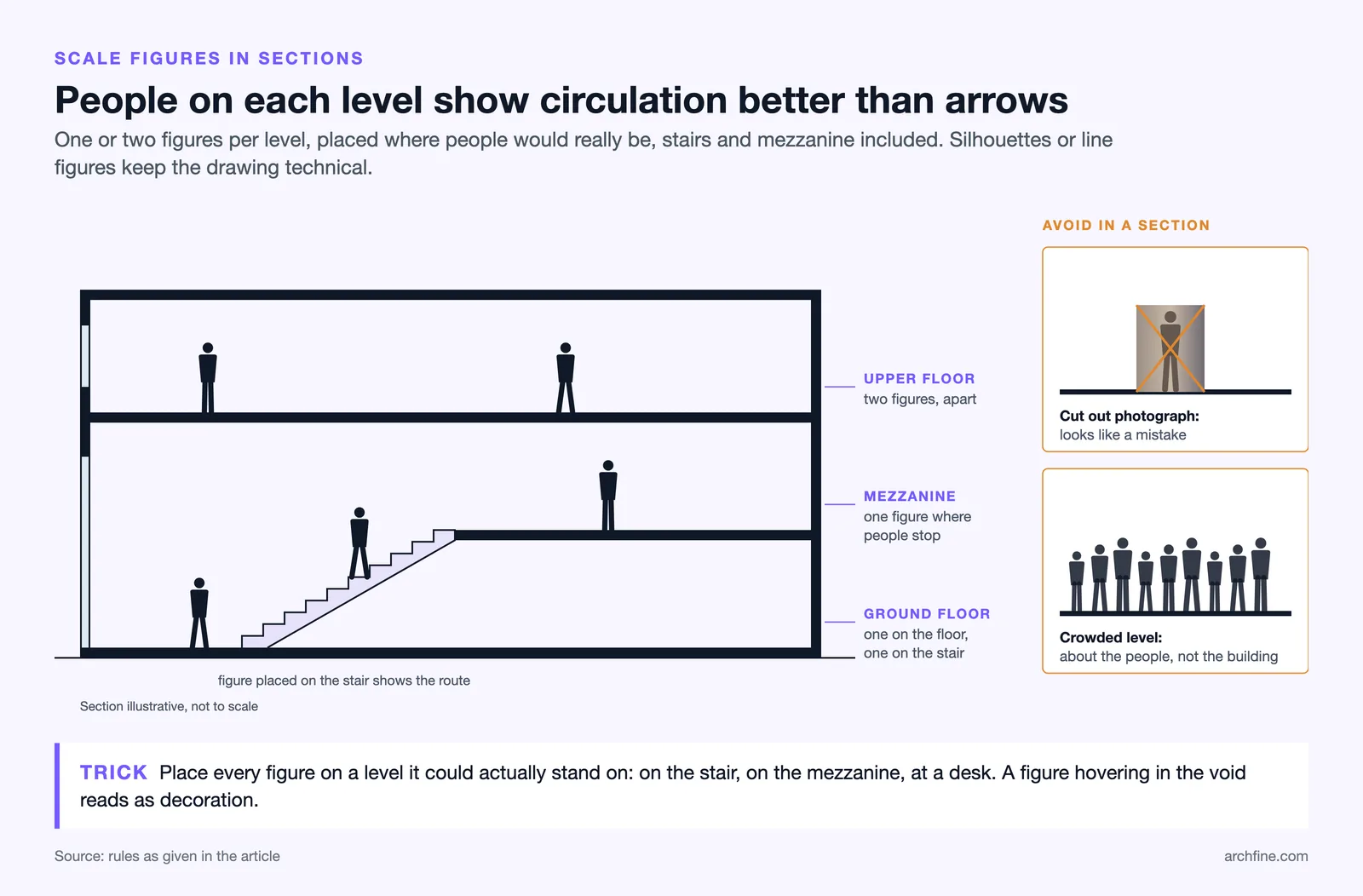
Keep it graphic rather than photographic. Silhouetted or line drawn figures suit a technical drawing, and cut out photographs sitting in a section look like a mistake.
Trees in elevation are the common failure. A photographic tree pasted over a technical elevation obscures the building and fights the drawing convention, while a simple outline indicates planting without competing.
Scale figures in sections
Place figures at the floor levels they would actually occupy, including on stairs and mezzanines. A section with people at every level explains circulation in a way that arrows do not, which is the same principle covered in our guide to architectural diagrams.
One or two per level is enough. A section crowded with figures becomes about the people rather than about the building.
Building a Personal Library
Entourage collected over years is one of the more valuable things a visualiser accumulates, and almost nobody organises it.

Sort figures by lighting direction rather than by pose. Light direction is what determines whether a figure can be used in a given image, and it is the property nobody files by.
Keep alpha channels intact and store at high resolution. Downscaling is easy and recovering detail is not.
Photograph your own where you can. Figures nobody else is using are worth more than better ones that appear in every render on the internet, and a morning of shooting produces a library that lasts years.