Compare
Architectural Rendering Software Compared: A Practical 2026 Guide
Discover the key differences between real-time and offline architectural rendering software in our 2026 guide. Find the right tool for your projects today!
Practical insights for architects, designers, and visualization professionals. From AI rendering techniques to career strategies, software deep-dives, and industry news everything you need to stay ahead, in one place.
112 Articles
Compare
Discover the key differences between real-time and offline architectural rendering software in our 2026 guide. Find the right tool for your projects today!
Architectural Visualization Tutorials
Discover architectural visualization, a crucial tool in design that transforms 3D models into realistic images and experiences, enhancing understanding and…
Articles
Skyscrapers changed more than the look of cities. They altered the pace of work, the experience of public space, and the psychological relationship between people and the buildings they occupy every day.
Articles
The all-glass building was supposed to make architecture honest and open. Light would flood in, the boundary between inside and outside would dissolve, and buildings would stop being opaque walls of power. Fifty years of glass towers later, the results are more complicated.
Articles
Responsive materials in architecture are not a single technology. They include thermochromic glazing that tints with heat, shape-memory alloys that open ventilation apertures, and bio-based panels that stiffen under load. What they share is behavior: they are not passive but reactive.
Articles
Architecture has a measurable effect on how people age. The layout of a building, the quality of its light, the presence or absence of outdoor access, and the ease of moving through it all affect the physical and mental health of older occupants in ways that accumulate over years.
Articles
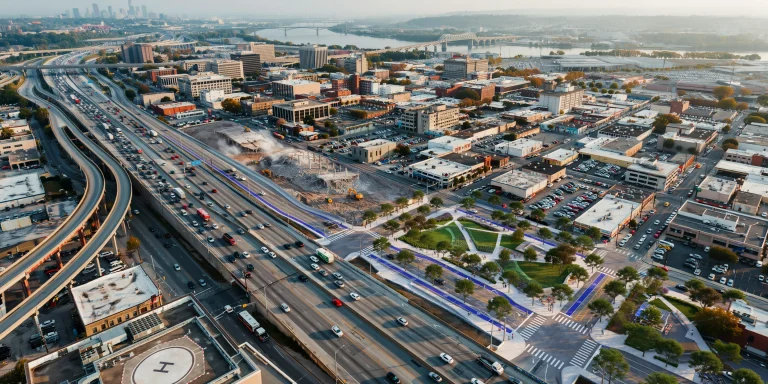
Cities designed primarily for vehicles, commercial efficiency, or political symbolism rather than for the people who live in them share measurable outcomes: reduced pedestrian activity, higher social isolation, poorer public health indicators, and declining street-level vitality.
Articles
Memorial architecture is among the most psychologically demanding building typology an architect can work in. Its purpose is not to provide shelter or facilitate transactions but to create conditions where grief can be experienced, expressed, and in some sense moved through.
Articles
For most of the 20th century, designing a city meant designing it for cars. Roads widened, parking increased, pedestrian space contracted, and buildings set back from the street. The results are now well documented: reduced walkability, higher pollution, declining high streets, and increasing social isolation.
Articles
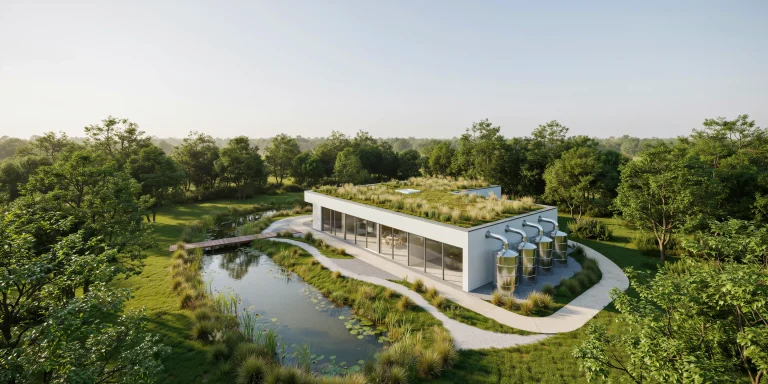
Water is one of the few forces that affects every aspect of a building: its structure, its envelope, its site, and its relationship to the city around it. The buildings that handle it well do not just manage water. They incorporate it into the architecture itself.
Articles
As average temperatures rise and extreme heat events become more frequent and more dangerous, the cities that have always dealt with extreme heat are becoming involuntary laboratories. Their architects, planners, and residents are learning which design responses actually work.
Articles
The embodied carbon in an existing building is already spent. Demolishing it to build a new structure, regardless of how energy-efficient that new structure is, means generating all the emissions of new construction on top of the waste of demolition. For many building types and locations, renovation wins on carbon.