
 Rendering Techniques
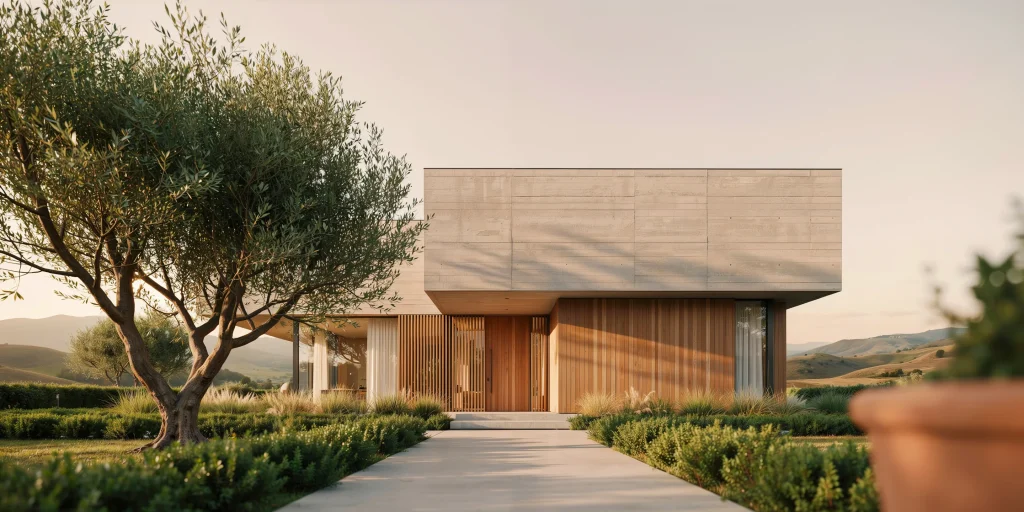
Architectural Rendering Lighting: A Complete Setup Guide
Architectural rendering lighting explained: set up exterior, interior, day, night and HDRI lighting with a step-by-step workflow for realistic renders.

Practical insights for architects, designers, and visualization professionals. From AI rendering techniques to career strategies, software deep-dives, and industry news everything you need to stay ahead, in one place.
141 Articles Rendering Techniques
Architectural rendering lighting explained: set up exterior, interior, day, night and HDRI lighting with a step-by-step workflow for realistic renders.
 Rendering Techniques
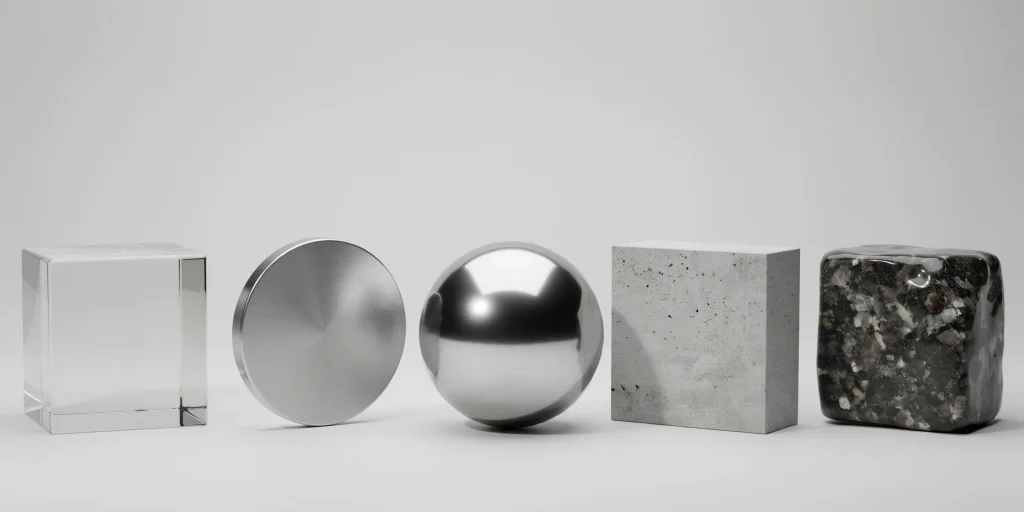
A practical guide to PBR materials in architecture, covering texture map types, glass, aluminum and wall panel surfaces, Revit setup, and texture libraries.
 Articles
In 2026, architectural rendering costs range significantly from under $1 using AI platforms to over $8,000 for premium studio images, influenced by factors like project complexity and turnaround time. This article provides a comprehensive pricing breakdown to help you budget effectively.

 Articles
A focused look at the structures that arrived too early, failed to land, or were simply ignored, and what changed for the world to finally understand what their architects were doing.
 Articles
Explore the top 7 architectural design trends for 2026, focusing on sustainability, technology, and occupant health.
 Articles
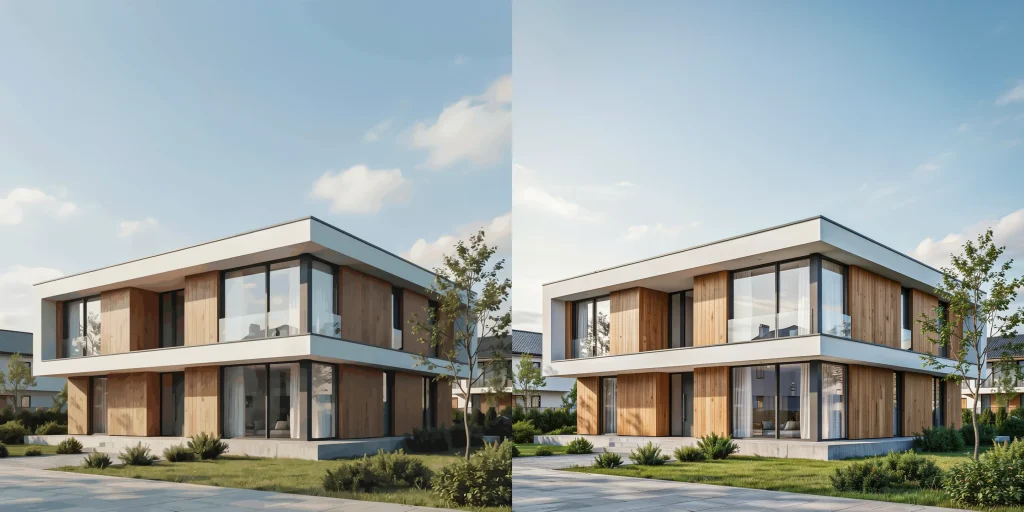
Explore the evolving landscape of architectural visualization as AI-generated renders challenge traditional 3D artistry.
 Rendering Techniques
Render denoising removes grain from path-traced images so you can render at lower samples. Compare OptiX, OIDN, and V-Ray denoisers and dial in clean results.
 Articles
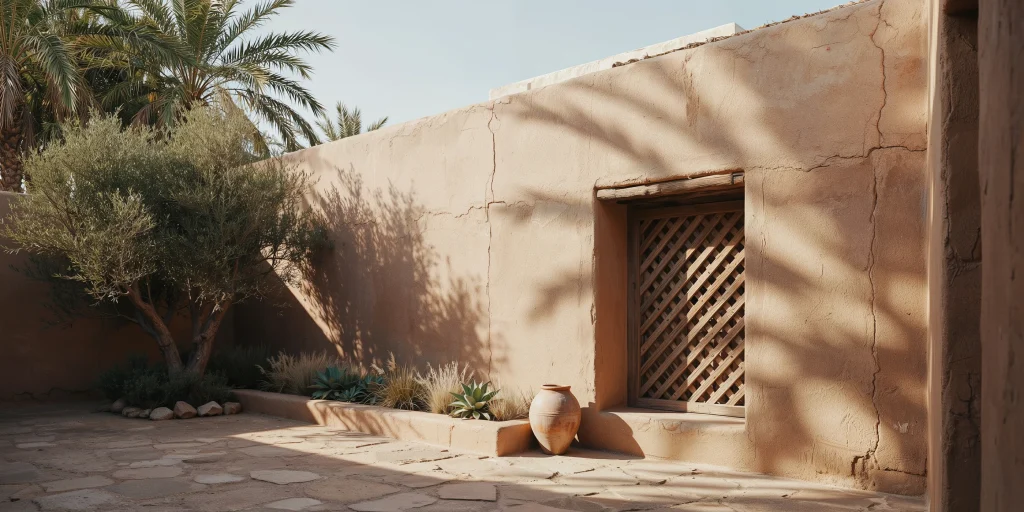
Vernacular architecture was built around one central constraint: the climate it sat in. Without mechanical cooling or heating, builders in every region developed strategies that worked with local temperature, humidity, wind, and sun. Many of those strategies are now being studied seriously again.

 Articles
Architectural loudness is easy to produce and fast to tire of. The buildings people return to, photograph quietly, and write about decades after their completion tend to share a different quality: they do not shout for attention. They earn it by making the occupant the focus, not the object.
 Articles
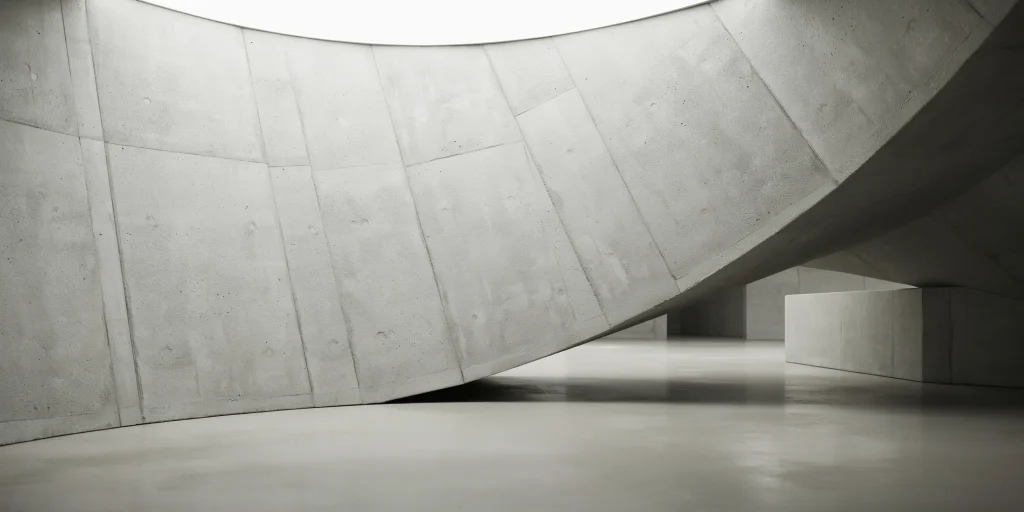
No building material has shaped the 20th century more than concrete, and none has been more contested. Its ability to take almost any form, carry enormous loads, and age in place makes it structurally unmatched. Its carbon footprint and tendency to stain and crack make it genuinely problematic.
 Articles
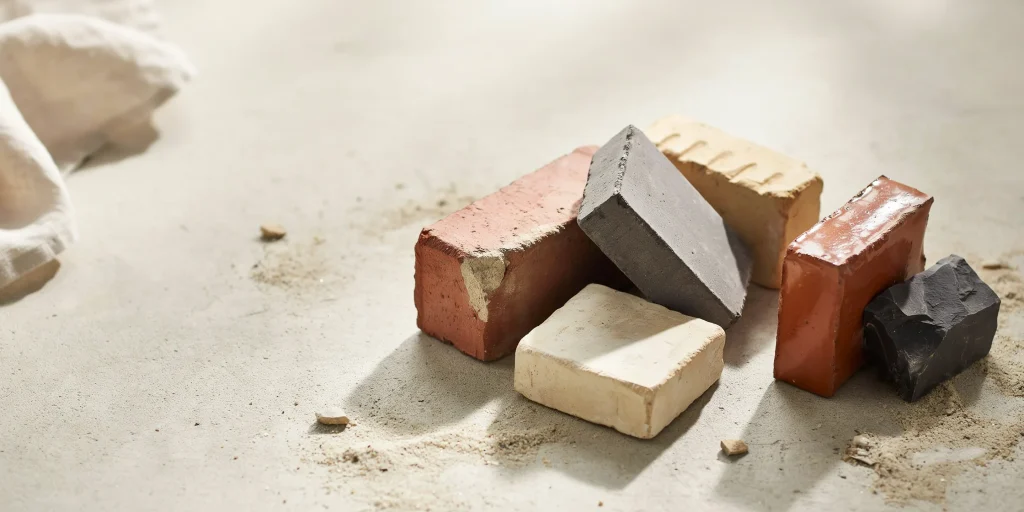
Brick never really left, but it was pushed to the margins of serious architectural discourse for much of the 20th century. Over the last two decades, it has returned, not as a nostalgic reference but as a material that offers tactility, thermal mass, and longevity that few alternatives match.
 Articles
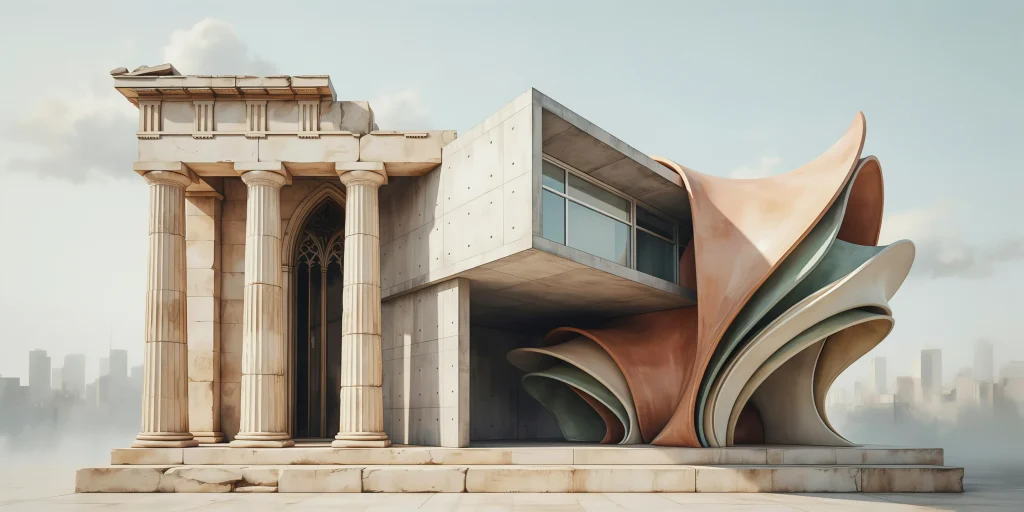
Certain architects didn't just produce outstanding buildings. They reframed the question of what architecture was supposed to do. Their ideas spread through schools, practices, and built cities far beyond anything they personally designed.