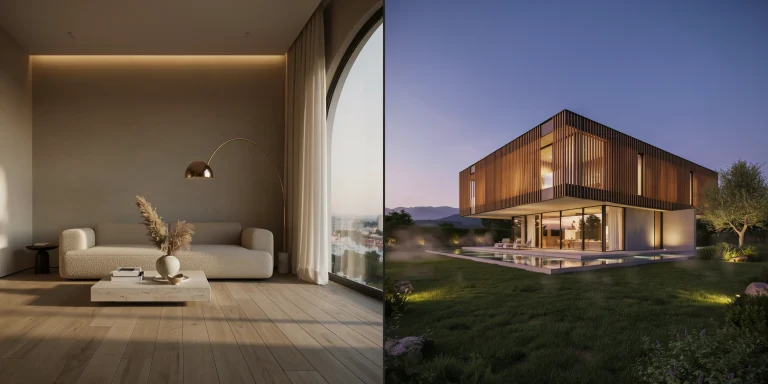
Rendering Techniques
Real-Time vs Offline Rendering for Architecture: A Comparison
Real-time rendering vs offline for architecture: how GPU speed, light accuracy, and cost compare, plus when to use Enscape, Twinmotion, V-Ray, and Corona.
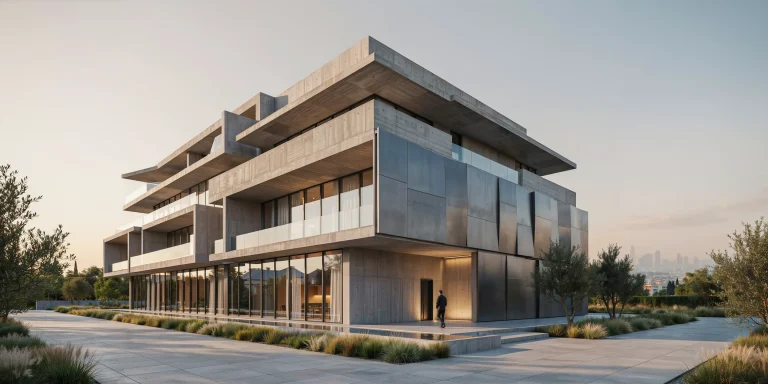
Rendering Techniques
Real-time rendering vs offline for architecture: how GPU speed, light accuracy, and cost compare, plus when to use Enscape, Twinmotion, V-Ray, and Corona.
Rendering Techniques
Discover the essentials of 3D architectural rendering, from its process and types to the software used. Learn how to create stunning visuals for your projects.
Rendering Techniques
Learn how photorealistic rendering works in architecture, with a practical realism checklist covering lighting, PBR materials, composition, and common mistakes.
Architectural Visualization Tutorials
3ds Max rendering for architecture: workflow, V-Ray vs Corona setup, render settings, lighting, and tips to cut render times on interior and exterior scenes.
Compare
Render engine comparison usually starts with image quality and should start with workflow, because the major engines converged on output years ago. This guide covers what genuinely differs between them and how to pick without testing six.
Rendering Techniques
Enscape settings and the equivalent controls in Lumion, V-Ray and Corona all do the same four jobs under different names. This guide covers that pattern, what to set in each engine, and the mistakes that waste render hours.
Compare
Discover the key differences between real-time and offline architectural rendering software in our 2026 guide. Find the right tool for your projects today!
Architectural Visualization Tutorials
Octane render for architecture explained: GPU settings, materials, Cinema 4D, Blender and 3ds Max workflows, plus how it compares to V-Ray for archviz visuals.
Compare
V-Ray vs Corona for architecture compared on speed, ease of use, quality, materials, and cost, so you can match the right render engine to your projects.
Architectural Visualization Tutorials
V-Ray for architecture explained: render settings, materials, lighting and workflow tips for 3ds Max and SketchUp to produce clean, photorealistic visuals.