Sustainable architecture on a budget combines low-cost green building materials, passive design strategies, and energy-efficient upgrades to reduce both environmental impact and long-term operating expenses. Rather than requiring premium price tags, many of the most effective eco-friendly building approaches add little or no upfront cost while significantly lowering energy bills, water use, and maintenance over a building’s lifetime.
What Does Sustainable Architecture on a Budget Really Mean?
There is a persistent myth in construction: going green means spending more. The data tells a different story. A 2026 analysis by RubyHome found that green buildings average only about 1.8 to 2 percent more in construction costs than comparable non-green projects, translating to roughly $3 to $5 per square foot. At LEED Certified or Silver levels, many projects cost no more than their conventional equivalents.
Sustainable architecture on a budget is not about cutting corners or selecting the cheapest materials available. It is about making smarter decisions early in the design process. Choosing the right building orientation, specifying locally sourced materials, and prioritizing passive design over mechanical systems can all reduce costs while improving a building’s environmental performance. The savings compound over time: green buildings see an average operating cost reduction of 16.9 percent over five years, according to the same RubyHome dataset.
The challenge is knowing where to spend and where to save. A tight budget forces clarity. You cannot afford to waste money on features that look green on paper but deliver minimal real-world performance. The strategies in this guide focus on proven, measurable results rather than aspirational concepts.
💡 Pro Tip
Start every project by modeling energy use before selecting materials. A free tool like the DOE’s EnergyPlus or even a simplified spreadsheet comparing heating, cooling, and lighting loads will reveal where your design leaks the most money. Fixing these issues in the design phase costs almost nothing; fixing them after construction costs thousands.
Low-Cost Sustainable Building Materials Worth Considering
Material selection has the single biggest impact on both the budget and the environmental footprint of a project. The good news is that several sustainable materials are either cost-competitive with or cheaper than their conventional counterparts. The key is matching the right material to the right application.
Recycled and Reclaimed Materials
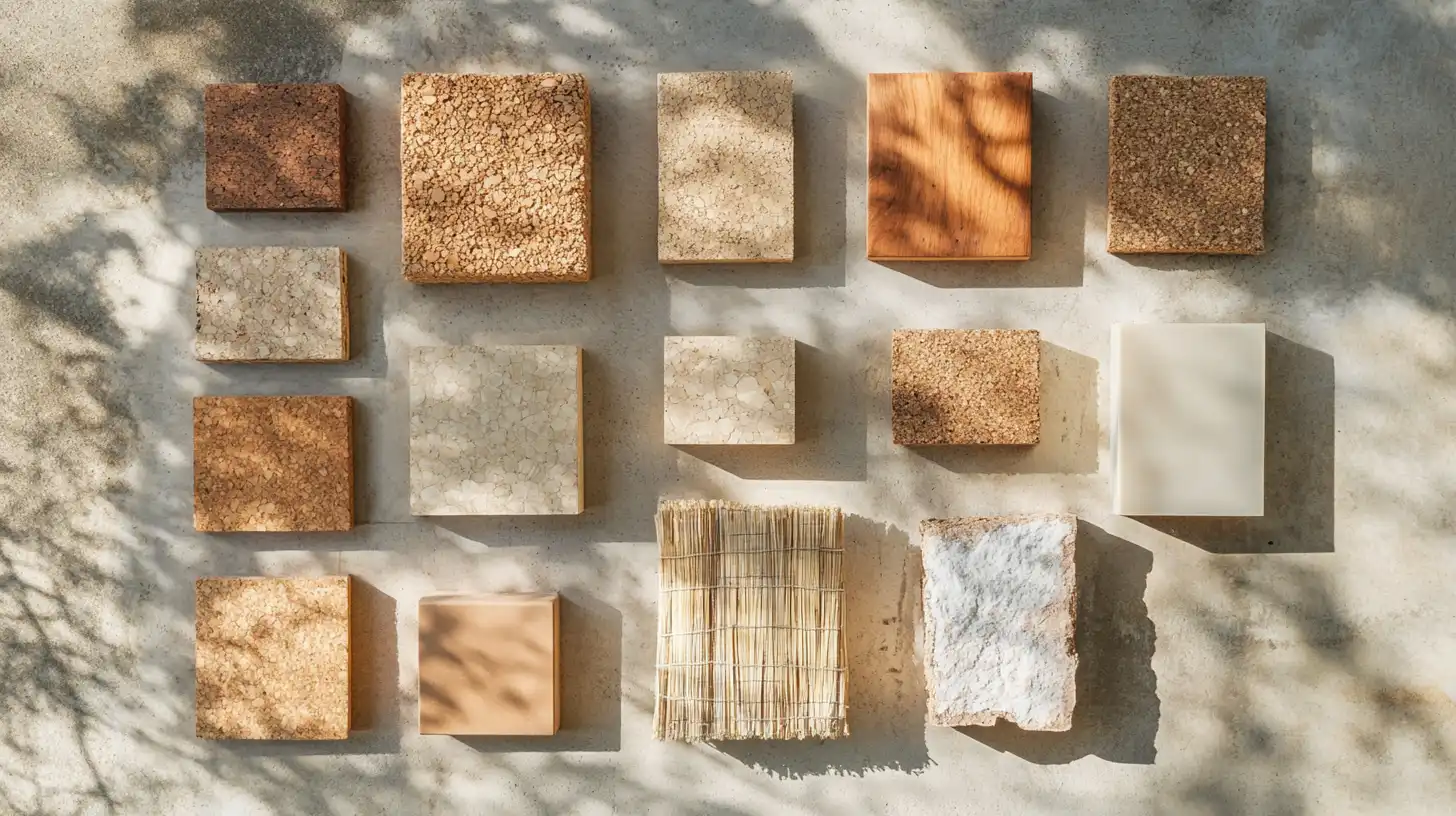
Recycled steel, reclaimed wood, and salvaged brick are among the most accessible budget-friendly green materials. Recycled steel uses roughly 60 percent less energy to produce than virgin steel, according to the World Steel Association. Reclaimed timber, sourced from deconstructed buildings, barns, or industrial structures, often costs less than newly milled hardwood and carries a unique aesthetic that clients respond to.
Salvaged brick and stone perform similarly to new equivalents in structural applications but come at a fraction of the embodied carbon. For architects working on residential or small commercial projects, sourcing reclaimed materials from local demolition sites or specialized suppliers can reduce both material costs and transportation emissions.
Bamboo
Bamboo grows to harvest-ready height in three to five years, compared to decades for hardwood trees. It has a high tensile strength for its weight and a compressive strength that rivals concrete in certain applications. In regions where bamboo is locally available, it is one of the cheapest structural materials on the market. For projects outside tropical zones, bamboo works well as flooring, paneling, and interior cladding at a price point competitive with mid-range hardwood.
Rammed Earth and Compressed Earth Blocks
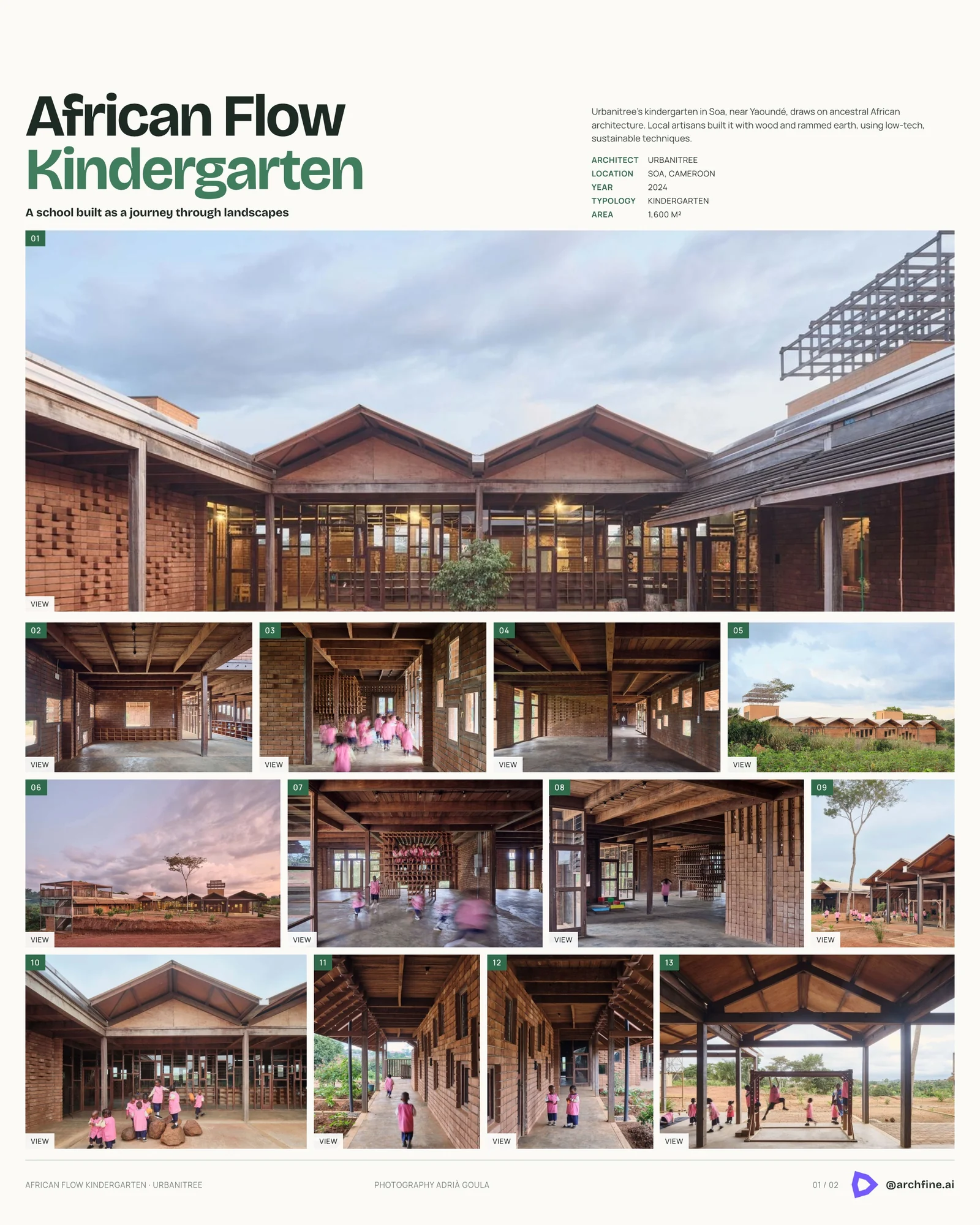
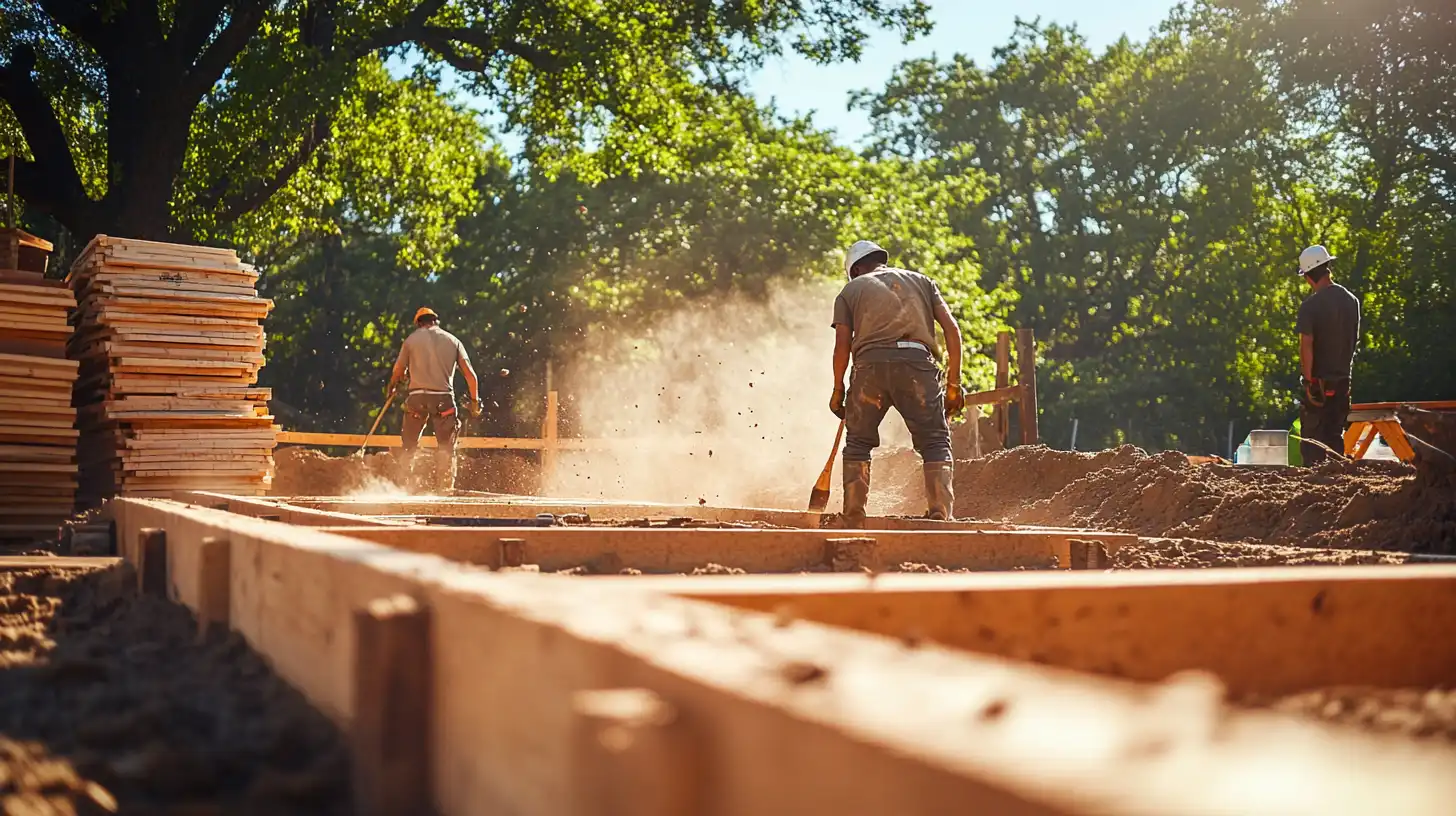
Rammed earth construction uses locally sourced subsoil compacted into formwork to create thick, load-bearing walls. The material cost is nearly zero in rural areas where suitable soil is available on-site. Compressed earth blocks (CEBs) take this a step further with a small mechanical press that produces uniform building blocks from a mix of soil, sand, and a small amount of cement (typically 5 to 10 percent by volume).
Both methods provide excellent thermal mass, keeping interiors cool during summer and warm during winter. They are labor-intensive, which can be an advantage in regions where labor costs are low relative to material costs. The U.S. Green Building Council recognizes earth-based construction methods as valid sustainable strategies within LEED certification frameworks.
📌 Did You Know?
The Ricola Kräuterzentrum (Herb Center) in Switzerland, designed by Herzog & de Meuron and completed in 2014, uses rammed earth walls 45 cm thick. The earth, a mix of clay, marl, and soil from local quarries, was sourced within roughly 8 to 10 km of the site. The building demonstrates that rammed earth is not limited to small-scale or low-budget projects; it scales to large commercial applications.
Insulated Concrete Forms (ICFs)
ICFs consist of interlocking polystyrene blocks that serve as both the formwork and the insulation for poured concrete walls. While the upfront material cost is approximately 5 to 10 percent higher than conventional wood-framed walls, ICF buildings typically require 40 to 60 percent less energy for heating and cooling. For projects with a holding period longer than five years, the energy savings offset the initial premium.
Passive Design Strategies That Cost Nothing Extra
The cheapest sustainable feature is one that requires no additional materials or equipment. Passive design strategies work with the climate rather than against it, reducing the need for mechanical heating, cooling, and artificial lighting. These decisions happen on the drawing board, which means they add zero cost to the construction budget.
Building Orientation and Solar Gain
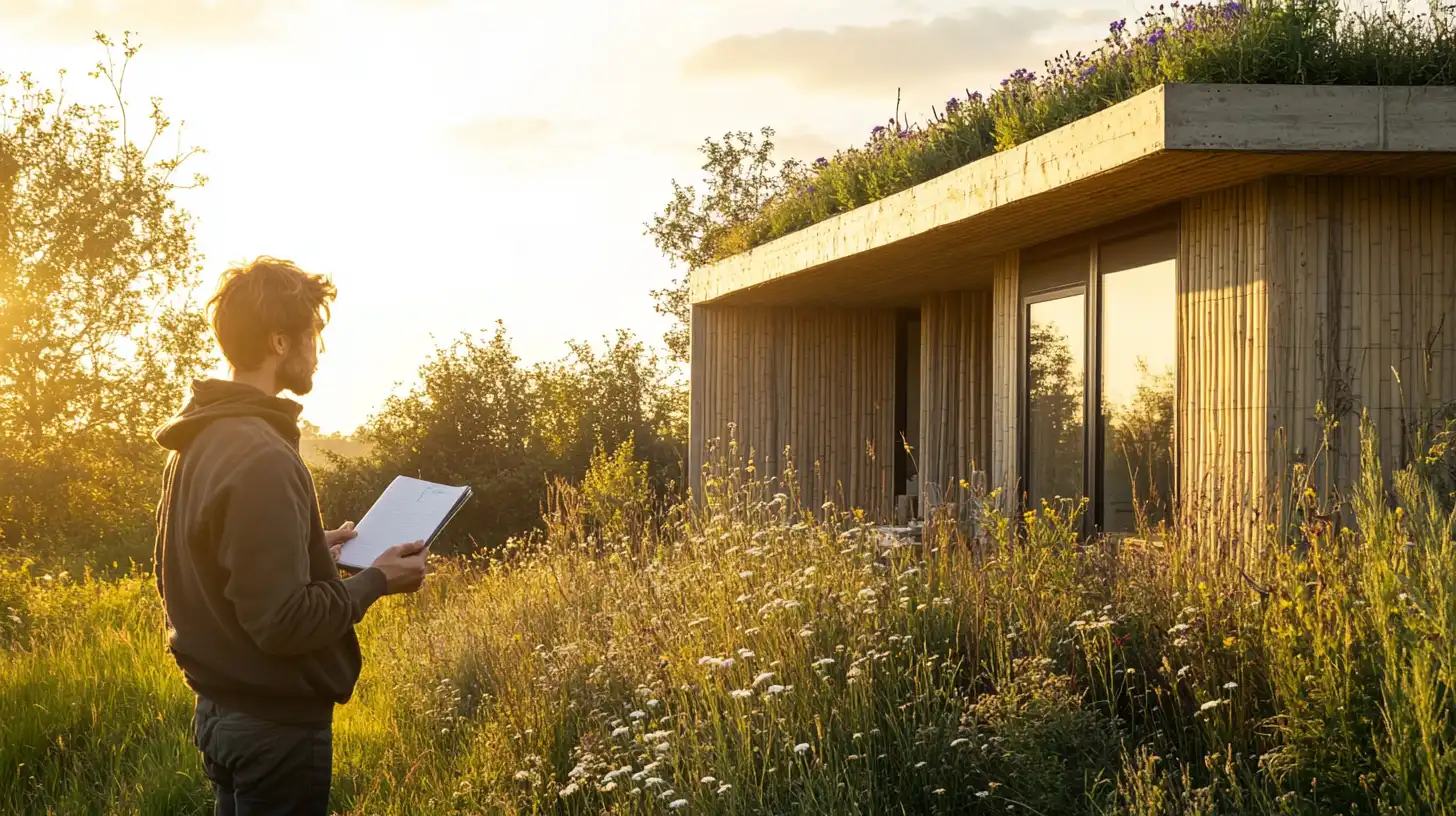
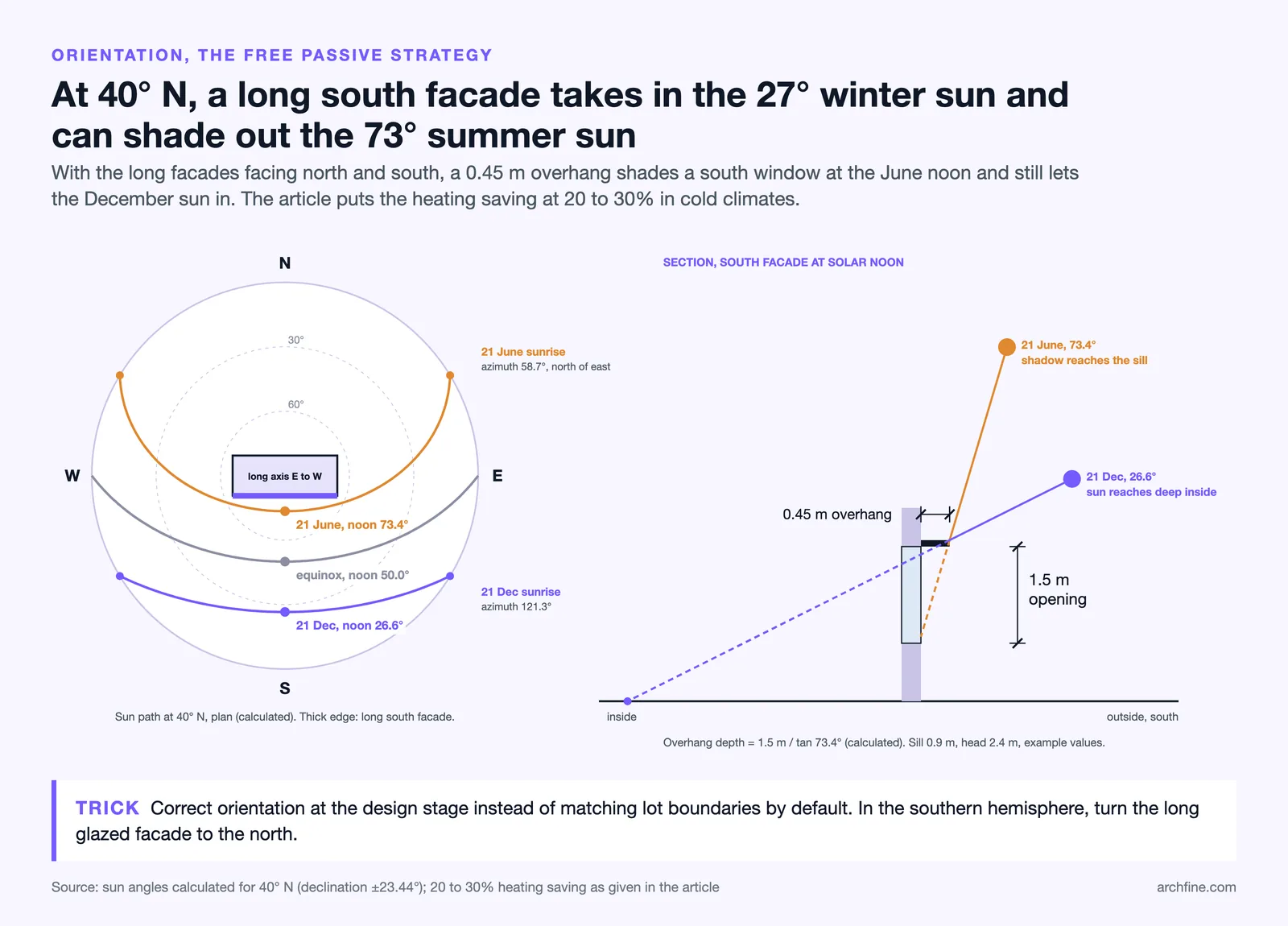
Orienting a building’s longest facades to face north and south (in the Northern Hemisphere) maximizes winter solar gain on the south side while minimizing summer overheating on the east and west sides. This single decision can reduce heating energy by 20 to 30 percent in cold climates, with no added material cost. Window placement, overhang depth, and shading strategies follow naturally from the orientation choice.
For projects in the Southern Hemisphere, the logic reverses: maximize the northern facade’s exposure to winter sun. In equatorial regions, the priority shifts to minimizing direct solar exposure on all facades and maximizing natural ventilation.
⚠️ Common Mistake to Avoid
Many designers treat building orientation as a secondary concern, adjusting it to match lot boundaries or street alignment by default. On a tight budget, this is a costly oversight. A poorly oriented building needs more insulation, larger HVAC systems, and more electricity to achieve the same comfort levels. Correcting orientation at the design stage is free; compensating for it with hardware is expensive.
Natural Ventilation and Cross-Ventilation
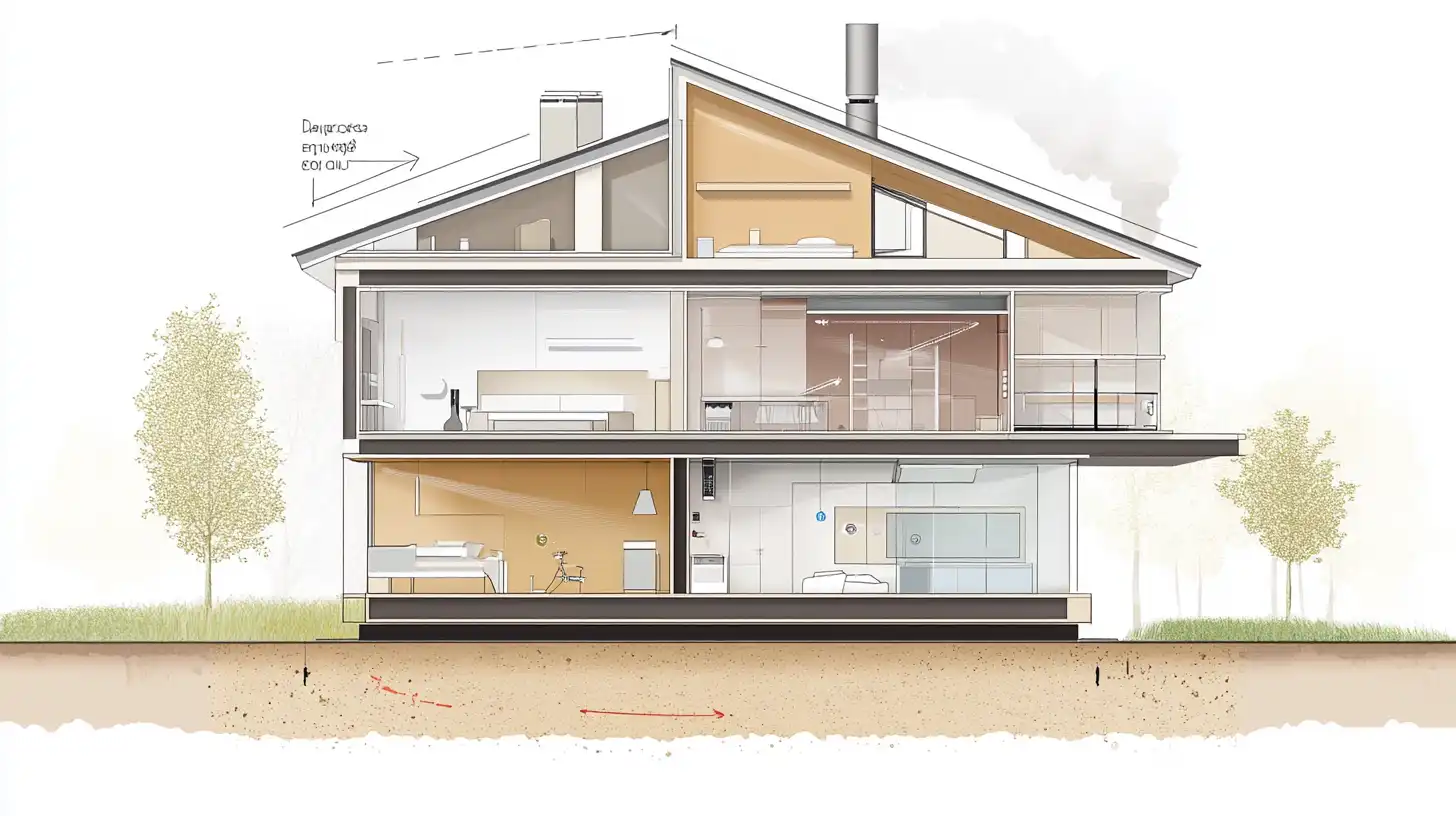
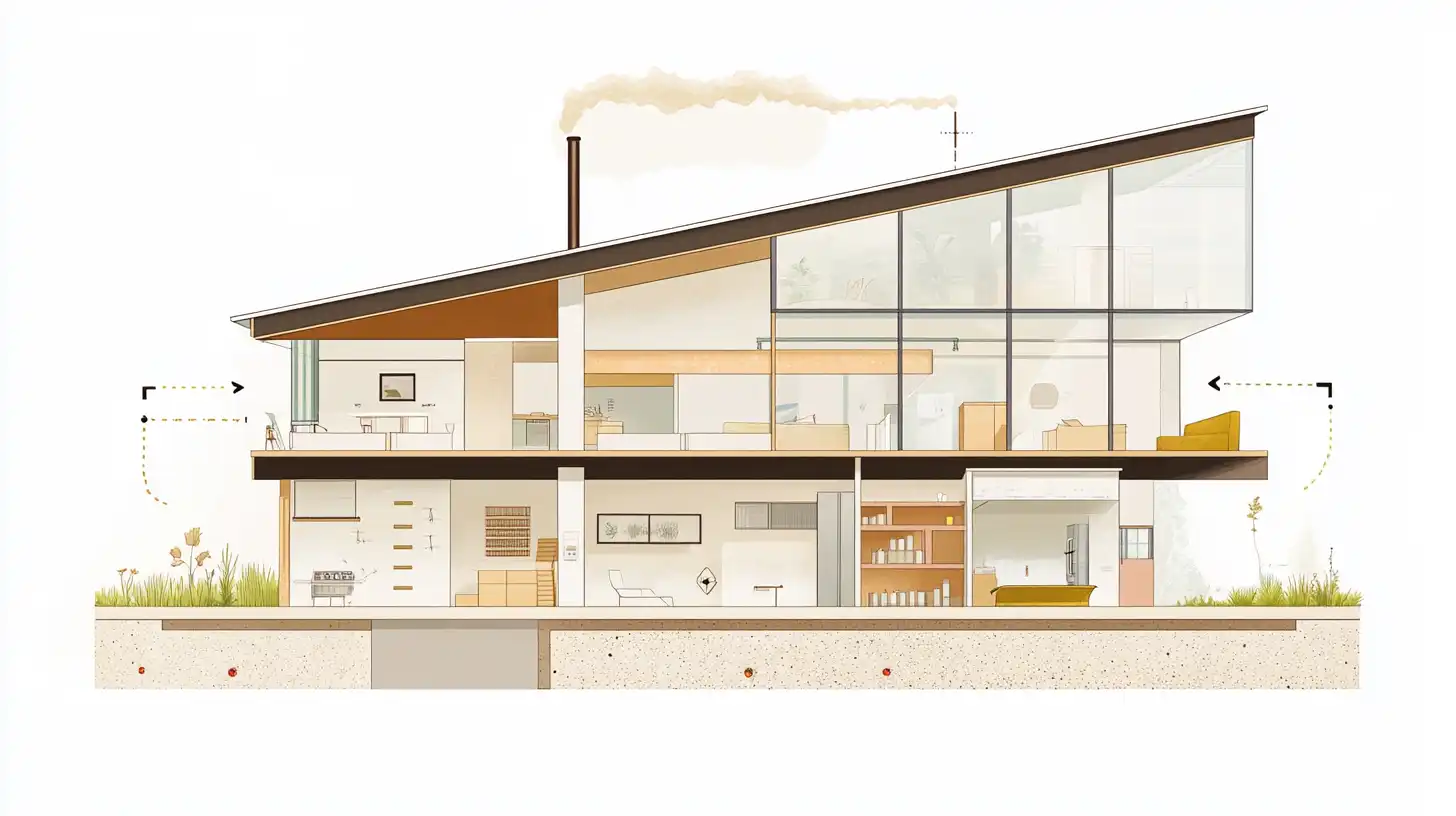
Cross-ventilation, achieved by placing operable windows on opposite or adjacent walls, allows air to flow through a space without mechanical assistance. Stack ventilation, which uses height differences between openings to draw hot air upward and out, works effectively in multi-story designs. Both strategies can eliminate or significantly reduce the need for air conditioning in mild and moderate climates.
The Encyclopaedia Britannica notes that passive ventilation was a standard feature of building design for centuries before mechanical HVAC systems became widespread. Returning to these principles does not require specialized materials or technology. It requires thoughtful floor planning and window sizing.
Thermal Mass and Insulation
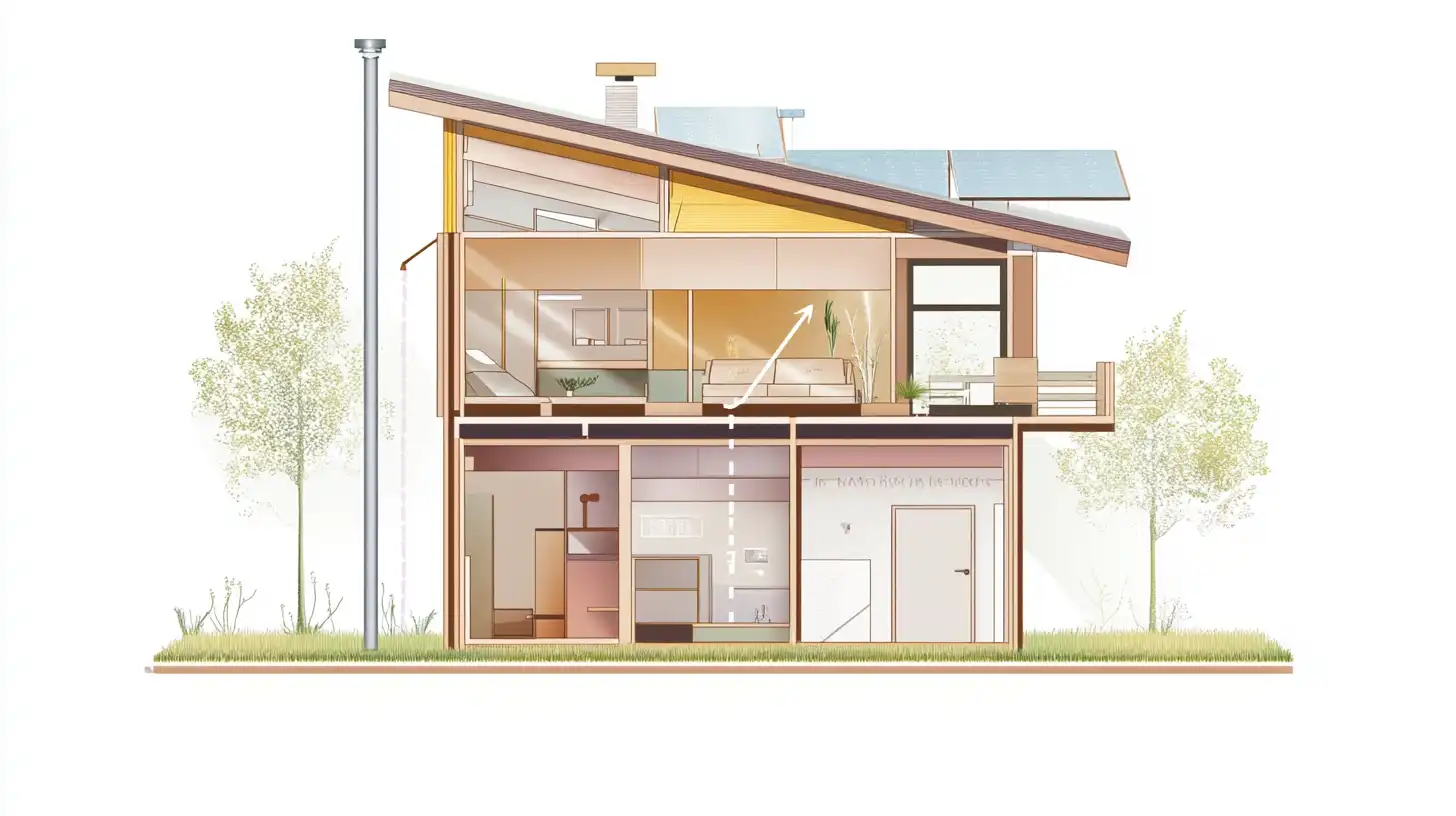
Dense materials like concrete, stone, brick, and rammed earth absorb heat during the day and release it at night, stabilizing indoor temperatures. Pairing thermal mass on the interior with insulation on the exterior creates a building envelope that resists temperature swings with minimal energy input. For budget-constrained projects, using a concrete slab floor (which is standard in many building types) as intentional thermal mass costs nothing extra.
How Much Does Green Building Actually Cost?
The cost conversation around sustainable architecture is often distorted by high-profile, trophy green buildings that feature expensive photovoltaic facades, living walls, and custom-engineered systems. These projects are outliers. The typical green building premium is far lower than most people assume.
Green vs. Conventional Construction Costs
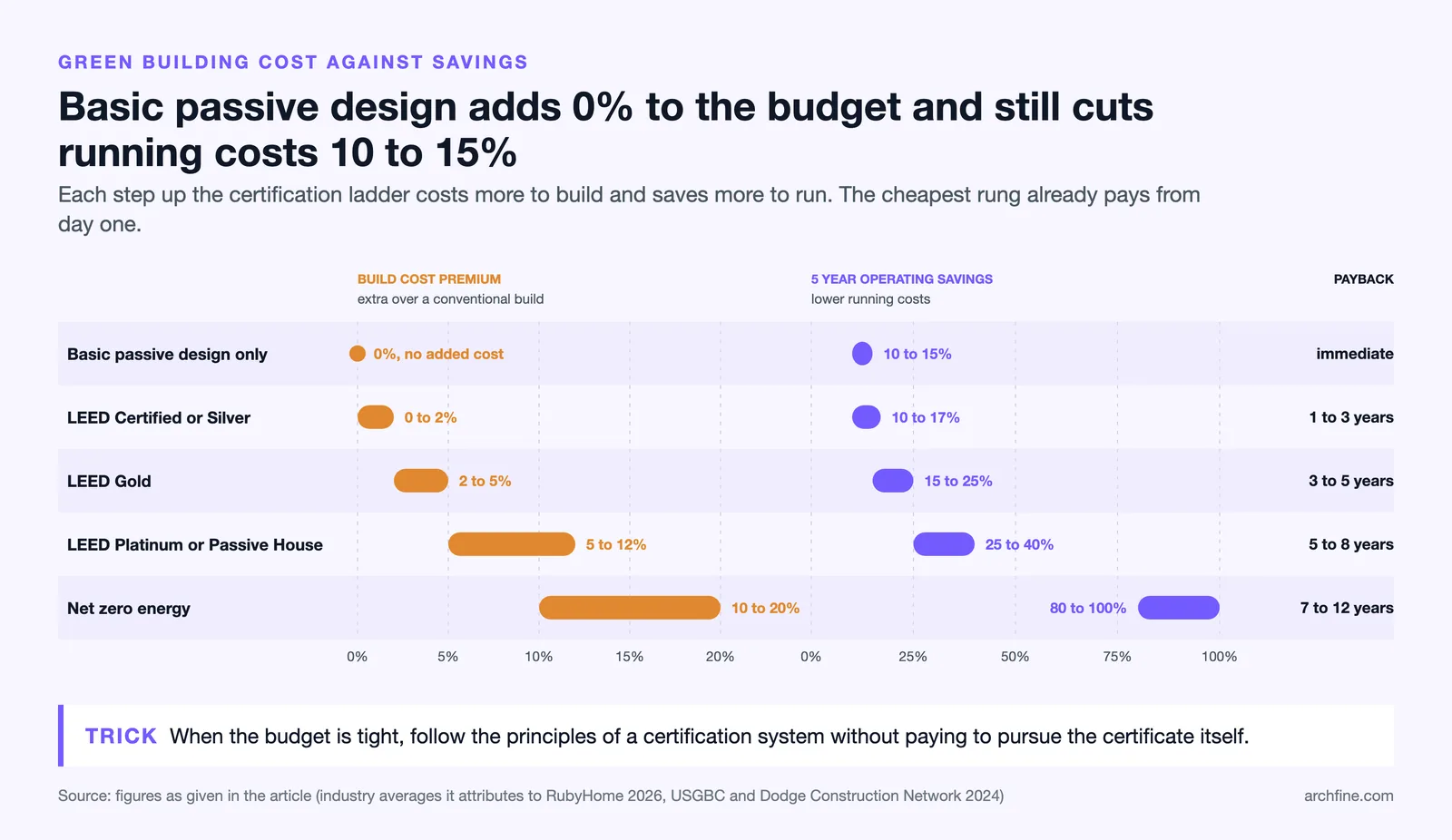
The following table compares typical cost premiums across different levels of green building commitment:
| Green Building Level | Typical Cost Premium | 5-Year Operating Savings | Payback Period |
|---|---|---|---|
| Basic passive design only | 0% | 10-15% | Immediate |
| LEED Certified / Silver | 0-2% | 10-17% | 1-3 years |
| LEED Gold | 2-5% | 15-25% | 3-5 years |
| LEED Platinum / Passive House | 5-12% | 25-40% | 5-8 years |
| Net-zero energy | 10-20% | 80-100% | 7-12 years |
Sources: RubyHome Green Building Statistics (2026), U.S. Green Building Council, Dodge Construction Network (2024). Figures represent industry averages and will vary by region, project type, and energy costs.
🔢 Quick Numbers
- Buildings account for 37% of global energy-related CO2 emissions (UNEP Global Status Report, 2024)
- The global green building market reached $618.58 billion in 2025 (Allied Market Research, 2025)
- Green buildings reduce energy consumption by 20-30% compared to conventional buildings (U.S. DOE / USGBC, 2024)
- LEED-certified buildings have nearly 20% lower maintenance costs than typical commercial buildings (USGBC, 2024)
Energy-Efficient Upgrades With the Fastest Payback
When a budget only allows for a few targeted upgrades, it makes sense to prioritize the changes that pay for themselves the quickest. Not all green upgrades are created equal. Some deliver immediate savings; others take a decade to break even.
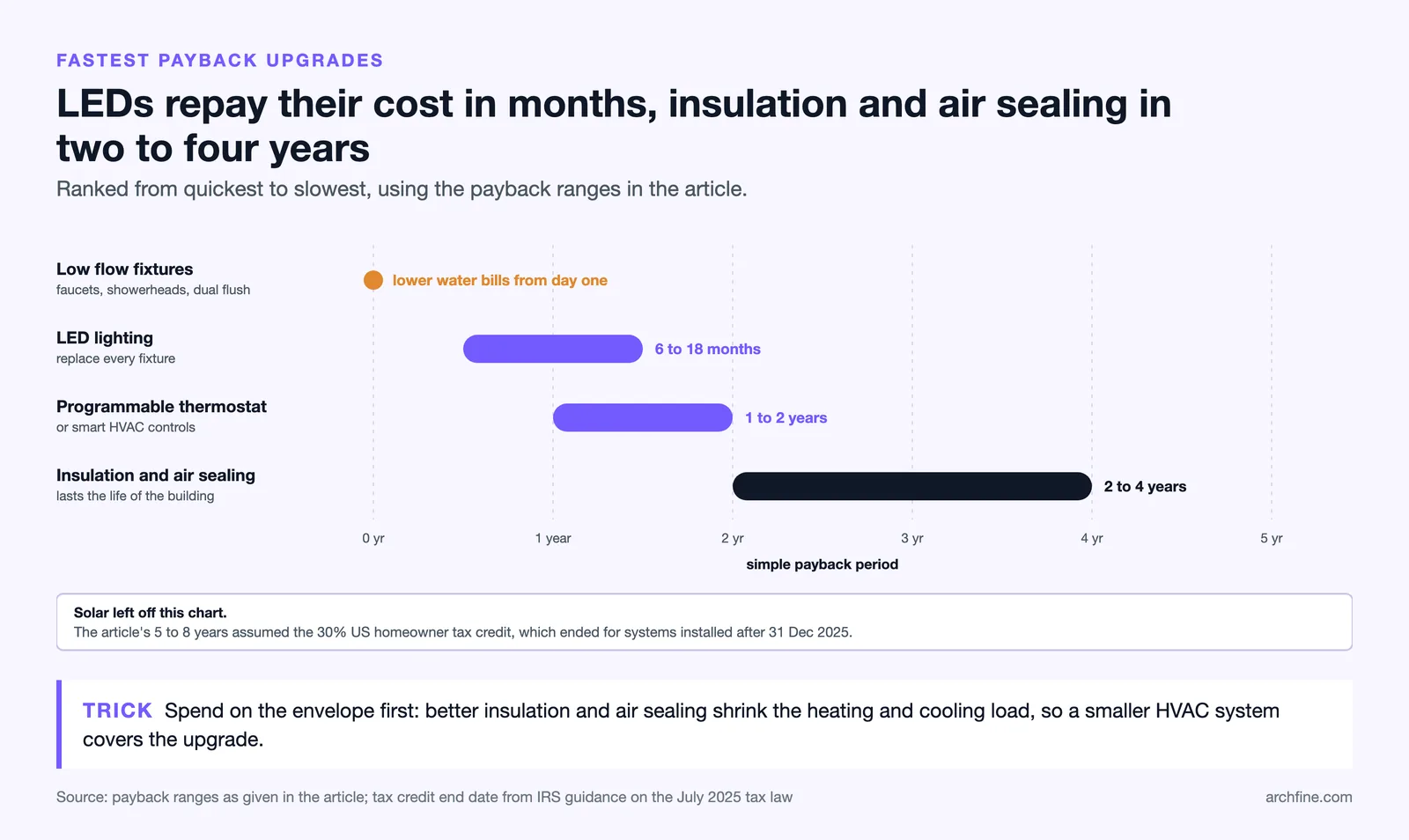
LED lighting is the simplest win. Replacing all lighting fixtures with LEDs typically pays back within 6 to 18 months through reduced electricity bills. Programmable thermostats and smart HVAC controls follow closely, with payback periods of one to two years in most climates. Improved insulation and air sealing, while more labor-intensive, usually pay back within two to four years and remain effective for the entire life of the building.
Low-flow water fixtures (faucets, showerheads, and dual-flush toilets) cost only marginally more than standard models and reduce water bills from day one. In commercial buildings, water-efficient landscaping using native plants adapted to local rainfall can eliminate irrigation costs entirely.
Solar panels deserve a separate note. The upfront cost has dropped dramatically over the past decade, although the 30 percent U.S. federal residential clean energy credit (Section 25D) no longer applies to homeowner systems installed after December 31, 2025, under Public Law 119-21 (IRS). For buildings with favorable roof orientation and sufficient sunlight, solar panels now achieve payback in five to eight years in most U.S. states.
💡 Pro Tip
When budgets are extremely tight, focus on the building envelope first: insulation, air sealing, and high-performance windows. These measures reduce the heating and cooling load, which means you can specify a smaller, less expensive HVAC system. The money saved on mechanical equipment can often cover the cost of better insulation, making the net upgrade close to free.
How AI Visualization Helps Cut Costs in Sustainable Design
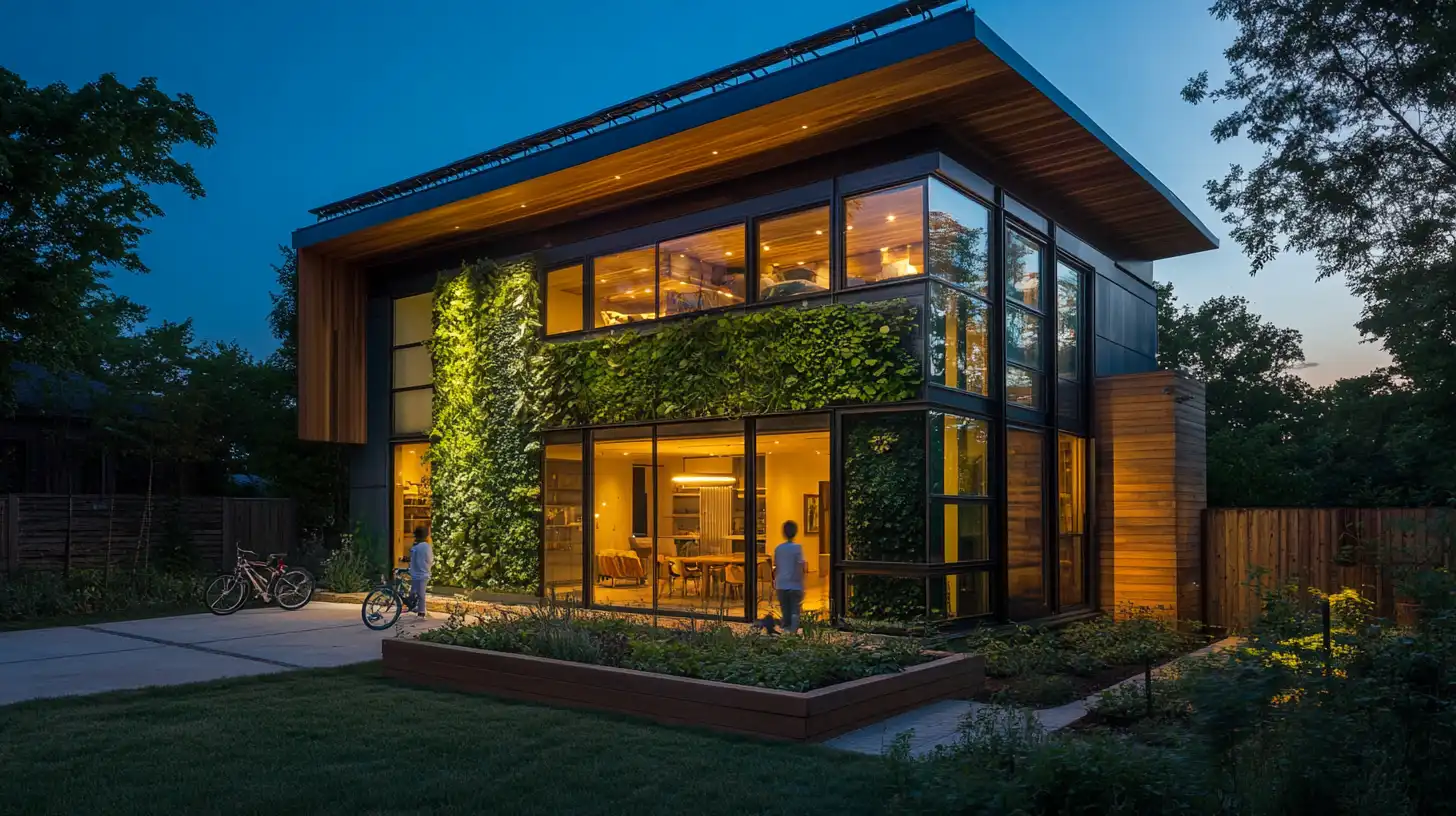
One often-overlooked cost in sustainable architecture is the design iteration process itself. Testing different material palettes, window configurations, and facade treatments traditionally requires hours of manual rendering or expensive software subscriptions. AI-powered architectural rendering tools have changed this equation significantly.
Platforms like ArchFine allow architects to generate photorealistic visualizations from sketches or 3D model screenshots in seconds. This speed means designers can test five different sustainable facade options in the time it used to take to render one. For budget-sensitive projects, this rapid iteration helps clients visualize the difference between, say, a rammed earth exterior and a recycled brick facade without committing to expensive physical samples or detailed construction documents for each option.
The ability to compare photorealistic versus stylized renders at the concept stage also helps architects communicate sustainability features more effectively. A client who can see how natural ventilation louvers and deep roof overhangs look on their building is far more likely to approve these features than one reading about them in a specification document.
🏗️ Real-World Example
Bullitt Center (Seattle, 2013): Often called the greenest commercial building in the world, the Bullitt Center was built for approximately $355 per square foot, only about 18% more than a comparable conventional office building in Seattle at the time. It generates more energy than it uses through rooftop solar panels, collects and treats its own rainwater, and uses composting toilets. The building proved that net-zero performance is achievable at a cost premium far lower than most developers expected.
Real Certifications vs. Real Budgets
Green building certifications like LEED, BREEAM, and Passive House provide valuable frameworks, but the certification process itself costs money. Registration fees, documentation, energy modeling, and commissioning add expenses that may not fit every budget.
For cost-constrained projects, it often makes more sense to follow the principles of a certification system without formally pursuing the certification. Designing to Passive House standards (airtight envelope, minimal thermal bridging, heat recovery ventilation, and superinsulation) delivers measurable energy savings regardless of whether you pay for the official certification. The Dezeen architecture platform regularly features projects that achieve outstanding environmental performance without pursuing any formal green label.
That said, certification can add value in certain contexts. For commercial buildings, LEED certification has been shown to increase property values by 7 to 15 percent and command higher rental rates. If the project involves investors, tenants, or resale within a few years, the certification cost may pay for itself through higher returns.
🎓 Expert Insight
“The cheapest energy is the energy you don’t use.” – Amory Lovins, Co-founder, Rocky Mountain Institute
This principle sits at the core of budget-friendly sustainable architecture. Every dollar spent reducing energy demand through passive design and envelope improvements eliminates the need for larger, more expensive active systems. The approach applies at every scale, from a single-family home to a commercial tower.
Video: The Natural Building Blocks of Sustainable Architecture
Architect Michael Green discusses the environmental impact of conventional building materials and proposes a new natural alternative in this TED Talk. The talk is particularly relevant for architects interested in carbon-sequestering construction methods that work within realistic budgets.
Final Thoughts: Budget-Friendly Sustainability Is About Priorities
Sustainable architecture on a budget is less about finding magical low-cost products and more about sequencing decisions correctly. Passive design comes first because it is free. Material selection comes second because the right choice often costs the same or less than the conventional default. Active systems like solar panels and smart controls come third because they work best when the building’s baseline energy demand has already been minimized.
The world’s most respected architects have long understood this hierarchy. Frank Lloyd Wright designed homes with deep roof overhangs and carefully oriented windows long before “green building” was a term anyone used. The principles have not changed. What has changed is the availability of data, affordable materials, and design resources that make these strategies accessible to every project, regardless of budget size.
The question is never whether you can afford to build sustainably. It is whether you can afford not to, given the long-term operating costs, property value implications, and environmental impact of the alternative.
✅ Key Takeaways
- Green buildings cost only 1.8 to 2 percent more on average than conventional construction, and many LEED Certified projects cost no extra at all.
- Passive design strategies like proper building orientation, cross-ventilation, and thermal mass add zero cost to the construction budget while delivering 20 to 30 percent energy savings.
- Recycled steel, reclaimed wood, bamboo, rammed earth, and ICFs are all cost-competitive sustainable materials with proven performance track records.
- Prioritize the building envelope (insulation, air sealing, windows) first, since it reduces the size and cost of mechanical systems needed.
- AI visualization tools speed up design iteration for sustainable projects, helping clients compare eco-friendly options without expensive physical samples or multiple rendering cycles.
Cost figures referenced in this article are approximate and vary by region, material supplier, project scope, and local energy prices. Building codes and regulations also vary by jurisdiction. Always consult local authorities and licensed professionals for your specific project.