Parametric architecture has redefined what buildings can look like, how they perform, and the way architects think about form and function. Driven by computational algorithms and advanced modeling software, parametric design allows architects to create fluid geometries, adaptive facades, and structurally optimized forms that would be impossible through traditional methods. In this guide, we explore the most iconic parametric buildings worldwide — and examine the technology, vision, and design thinking behind each one.
What Makes a Building “Parametric”?
Parametric architecture is a design methodology rooted in algorithmic thinking. Rather than drawing fixed shapes, architects define a set of parameters — structural loads, solar exposure, wind patterns, material properties, program requirements — and use computational tools to generate optimized forms that respond to those inputs. The result is architecture that appears organic, fluid, and complex, yet is deeply rational in its logic.
The term gained mainstream attention through the work of architects like Zaha Hadid, Patrik Schumacher, and firms such as Foster + Partners and SOM. However, the conceptual roots stretch back to Antoni Gaudí, whose hanging chain models for the Colònia Güell Church anticipated parametric thinking by over a century.
Did You Know?
Antoni Gaudí used physical chain models suspended from the ceiling to find optimal structural curves through gravity — a method that shares the same fundamental logic as today’s computational form-finding algorithms.
Today, parametric tools like Grasshopper for Rhino, Autodesk Dynamo, Generative Components, and even AI-powered rendering platforms enable designers to explore thousands of design variations within minutes, test structural performance, and produce fabrication-ready outputs. This computational approach has produced some of the most visually striking and technically advanced buildings of the 21st century.
12 Iconic Parametric Buildings That Redefined Architecture
1. Heydar Aliyev Center — Baku, Azerbaijan
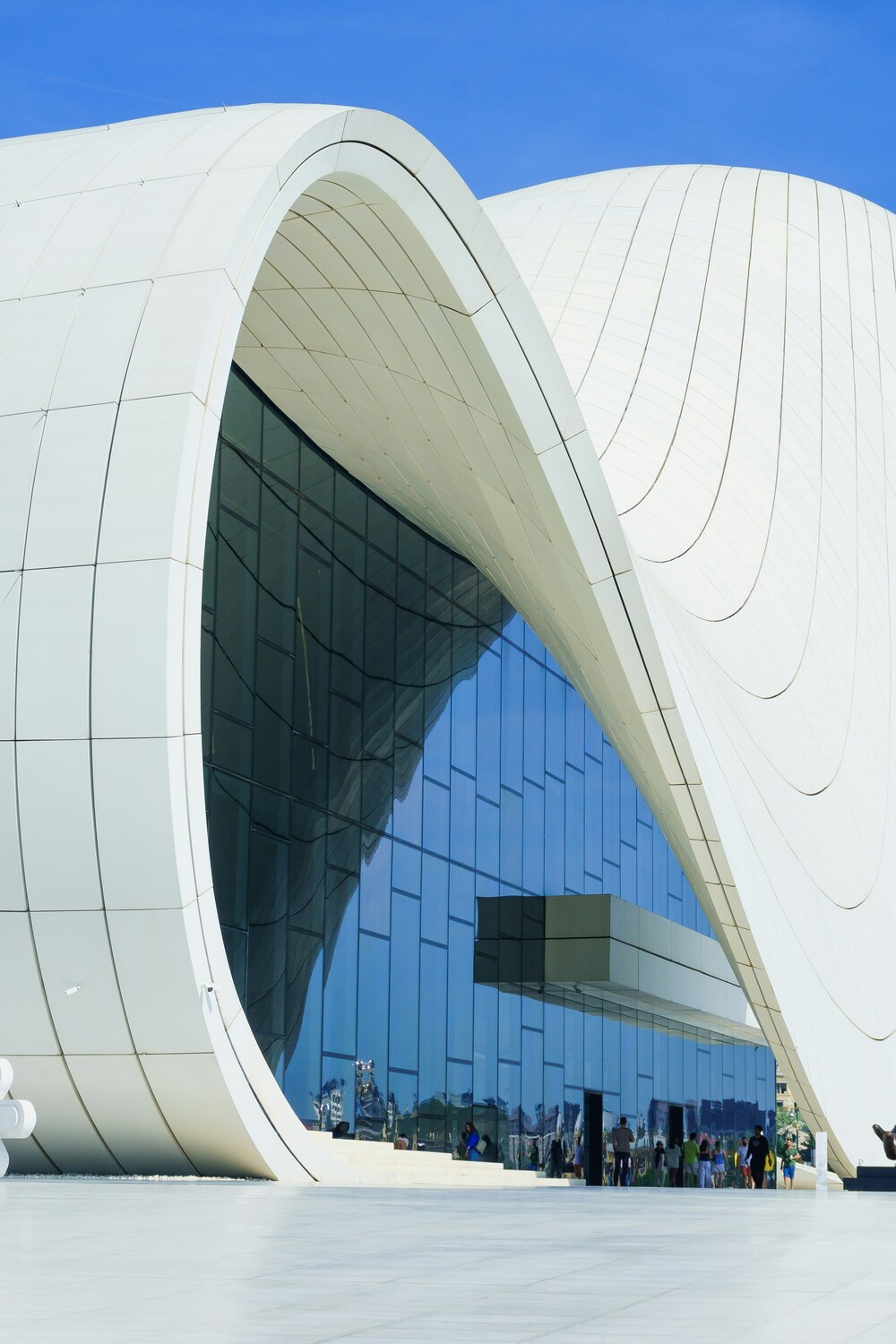
Architect: Zaha Hadid Architects | Completed: 2012 | Typology: Cultural Center
The Heydar Aliyev Center is widely regarded as one of the purest expressions of parametric architecture ever built. Its continuous, flowing surface — free of visible joints or sharp transitions — was generated entirely through advanced parametric modeling. The building’s envelope folds seamlessly from ground plane to roof, creating an uninterrupted landscape of curves that houses a museum, auditorium, and gallery spaces.
Structurally, the building relies on curved steel ribs coordinated through computational tools. The design embodies Zaha Hadid’s vision of architecture as a continuous spatial flow, dissolving the boundaries between exterior and interior, building and landscape.
Expert Insight
The Heydar Aliyev Center’s facade uses over 12,000 unique panels — each individually shaped through parametric algorithms. This level of customization would be virtually impossible without computational design tools.

Sources: Zaha Hadid Architects · ArchDaily · Wikipedia
2. Guggenheim Museum Bilbao — Bilbao, Spain
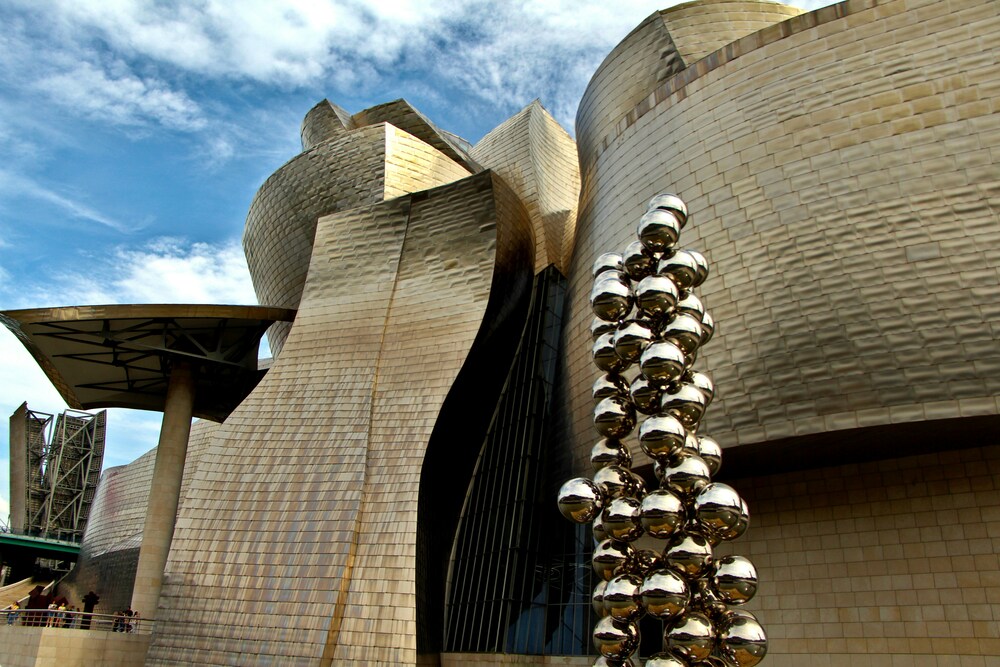
Architect: Frank Gehry | Completed: 1997 | Typology: Museum
Before parametric design had a formal name in architecture, Frank Gehry was pioneering its application with the Guggenheim Museum Bilbao. Using CATIA — software originally developed for the aerospace industry — Gehry’s team translated physical paper and metal models into complex digital geometries that could be engineered and fabricated.
The museum’s titanium-clad forms appear to twist and flow like a living sculpture, creating dramatic interior volumes that challenge conventional gallery space. Beyond its aesthetic achievement, the Guggenheim Bilbao demonstrated that parametric tools could enable an entirely new architectural language — and in doing so, it transformed a declining industrial city into a global cultural destination.
Sources: Guggenheim Bilbao Official · ArchDaily · Pritzker Prize — Frank Gehry · Wikipedia
3. Museum of the Future — Dubai, UAE
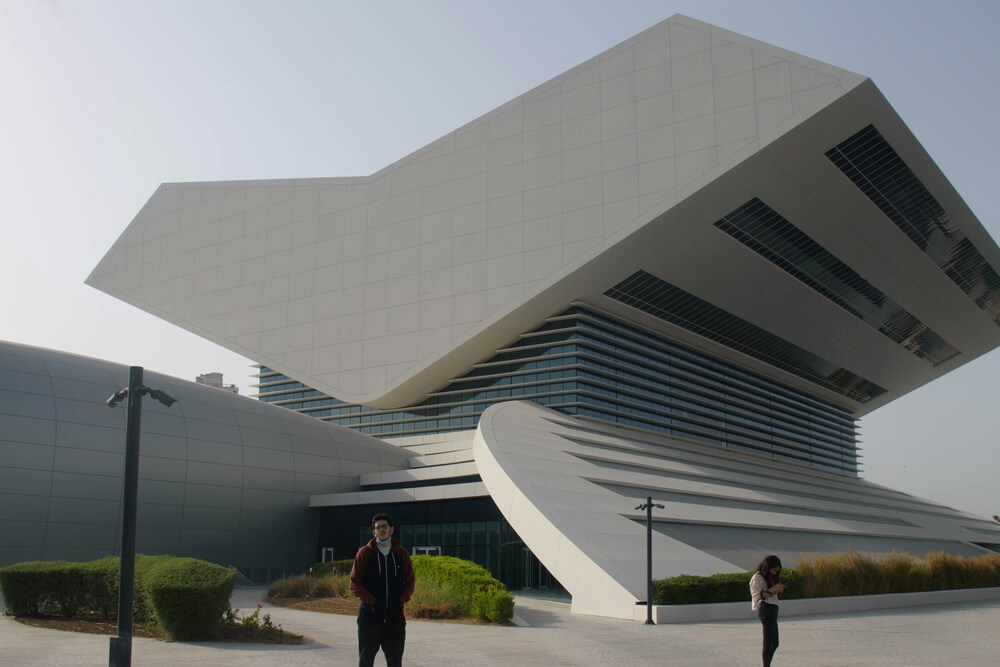
Architect: Killa Design | Completed: 2022 | Typology: Museum / Exhibition
The Museum of the Future has quickly become one of the most recognizable parametric structures in the world. Its torus-shaped form features a stainless steel and fiberglass facade inscribed with Arabic calligraphy — all designed and coordinated through parametric software and BIM workflows.
The building achieved LEED Platinum certification through a combination of parametric optimization, passive design strategies, and renewable energy systems. Its three conceptual zones — the green hill (earth), the gleaming building (humanity), and the central void (the future) — represent a bold statement about architecture’s role in imagining what lies ahead.
Quick Numbers
Seven stories, 30,000 sqm of exhibition space, 1,024 facade panels fabricated using robotic manufacturing, and zero structural columns inside the main gallery volume.
Sources: Museum of the Future Official · ArchDaily · Wikipedia
4. Beijing National Stadium (Bird’s Nest) — Beijing, China
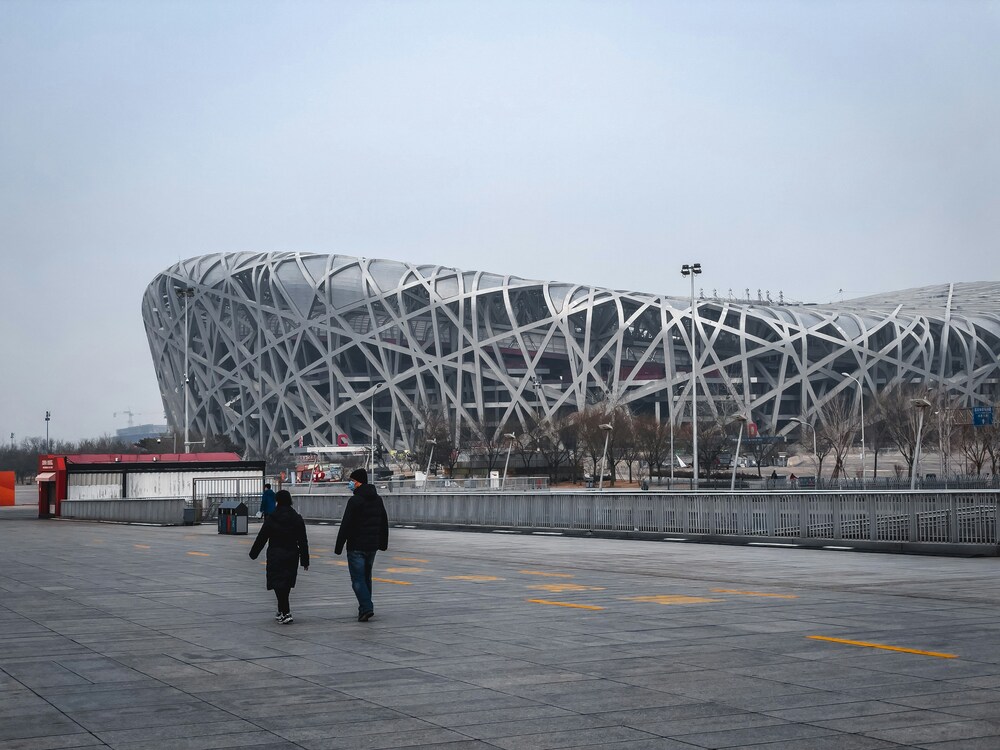
Architect: Herzog & de Meuron / Ai Weiwei | Completed: 2008 | Typology: Stadium
Designed for the 2008 Olympic Games, the Beijing National Stadium — known universally as the Bird’s Nest — features an intricate lattice of interlocking steel members that serve as both structure and facade. The steel lattice was designed using parametric tools to maximize material efficiency while distributing loads across the entire surface of the structure.
The parametric approach also enabled the architects to optimize the stadium’s acoustics and ensure that the complex geometry could withstand Beijing’s seismic and weather conditions. At 91,000 seats, the Bird’s Nest remains one of the largest and most ambitious parametric structures ever realized.
Sources: Herzog & de Meuron · ArchDaily · Wikipedia
5. 30 St Mary Axe (The Gherkin) — London, UK
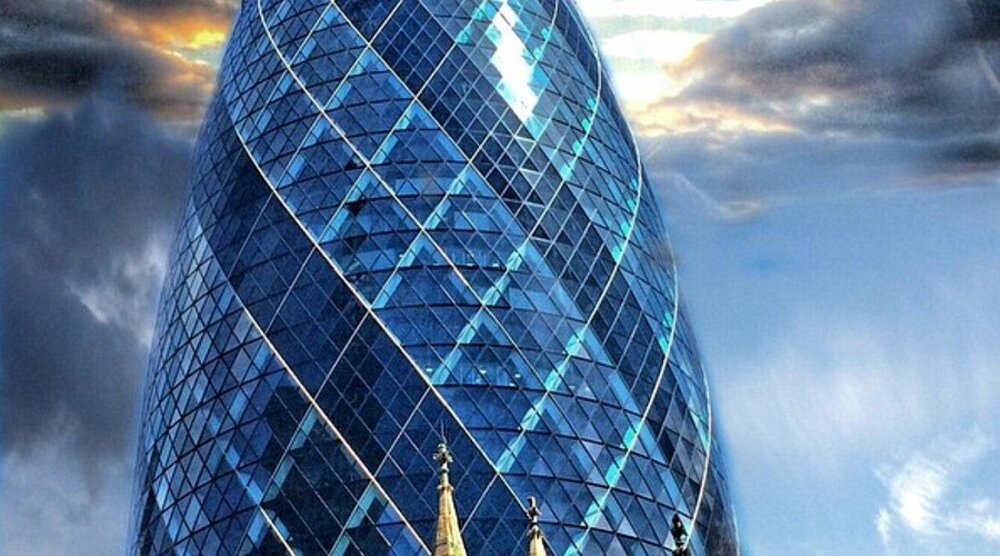
Architect: Foster + Partners | Completed: 2004 | Typology: Commercial Skyscraper
The Gherkin is a pioneering example of parametric design applied to high-rise architecture. Its aerodynamic bullet shape and diagonal structural grid were developed through computational optimization to reduce wind loads at street level and improve energy performance. Spiraling atria running through the building create a natural ventilation system — a direct result of parametric environmental analysis.
Completed in 2004, The Gherkin demonstrated that parametric tools could drive not just formal innovation but measurable performance gains. It became a model for the next generation of sustainable, performance-driven skyscrapers worldwide.
Sources: Foster + Partners · ArchDaily · CTBUH · Wikipedia
6. Louvre Abu Dhabi — Abu Dhabi, UAE
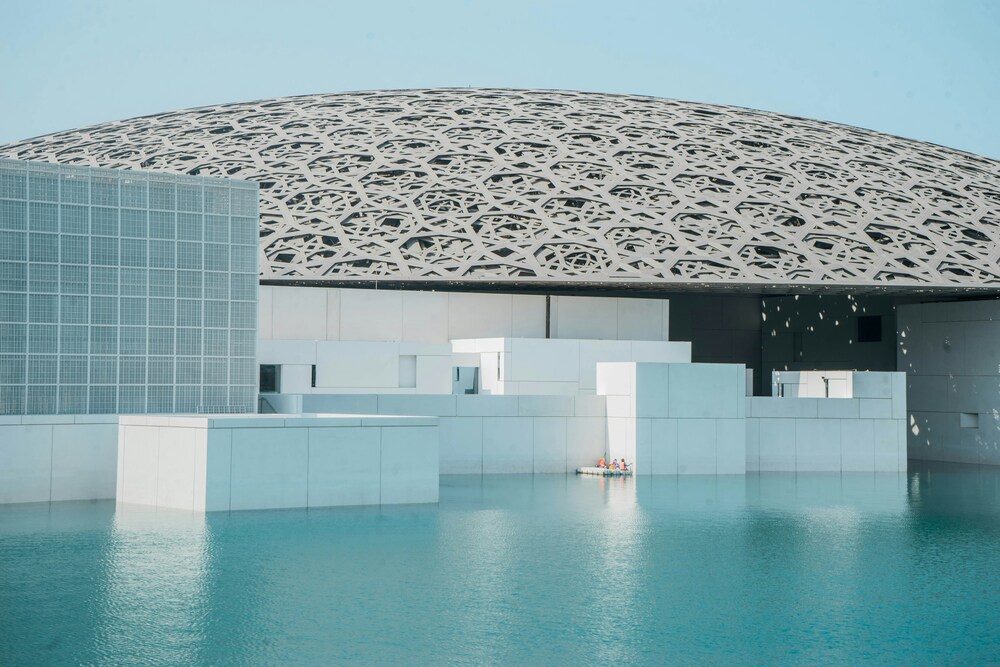
Architect: Jean Nouvel / Ateliers Jean Nouvel | Completed: 2017 | Typology: Museum
The Louvre Abu Dhabi’s defining feature is its massive 180-meter dome — one of the most technically advanced parametric structures ever constructed. Composed of eight superimposed layers of steel and aluminum arranged through parametric algorithms, the dome creates what Jean Nouvel describes as a “rain of light” — filtered sunlight that passes through thousands of perforations inspired by traditional mashrabiya patterns.
The complexity of the dome’s geometry required parametric coordination at every stage, from structural analysis to fabrication sequencing. Each of the 7,850 unique star-shaped elements was individually positioned to control the light pattern below. It stands as one of the finest examples of culturally driven computational design at monumental scale.
Sources: Louvre Abu Dhabi Official · ArchDaily · Wikipedia
7. Shanghai Tower — Shanghai, China
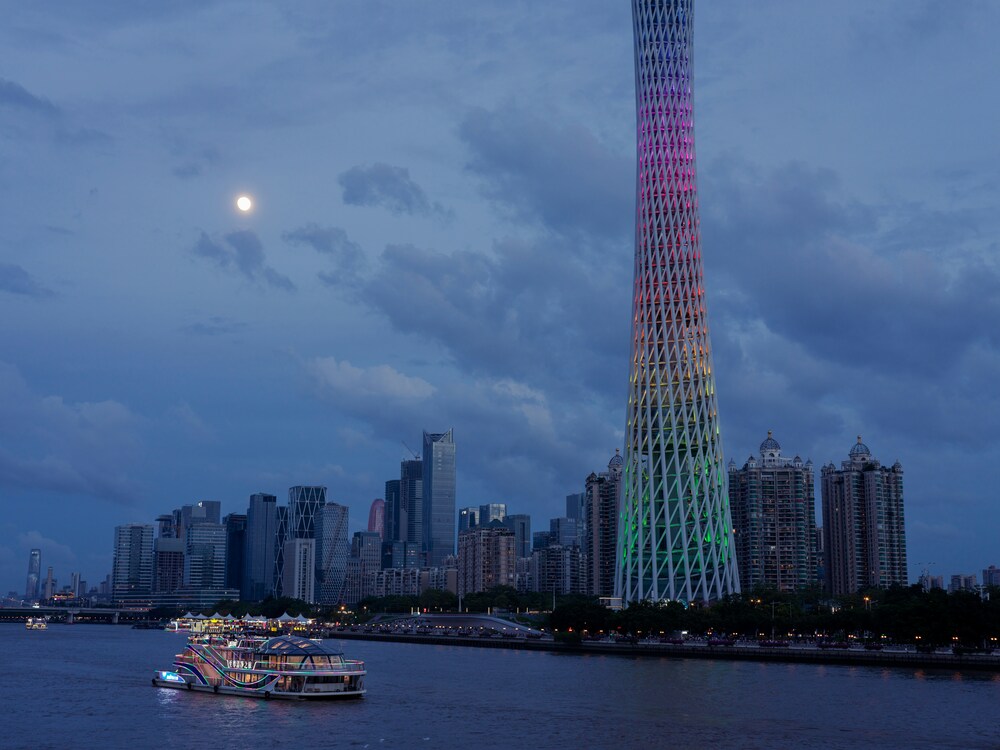
Architect: Gensler | Completed: 2015 | Typology: Mixed-Use Supertall
Standing at 632 meters, the Shanghai Tower is China’s tallest building and one of the most sophisticated parametric skyscrapers on the planet. Its spiraling, twisting form was generated through parametric wind-tunnel studies that reduced wind loads by 24% compared to a conventional rectangular tower — saving an estimated $58 million in structural material.
The tower’s double-skin glass curtain wall creates nine distinct zones stacked vertically, each functioning as its own micro-neighborhood with sky gardens and public spaces. Every aspect of the form — from the twist angle to the facade panel geometry — was optimized through computational analysis.
Pro Tip
The Shanghai Tower’s 120-degree twist wasn’t arbitrary — parametric wind simulations tested dozens of twist angles to find the one that minimized vortex shedding and wind-induced vibration at supertall height.
Sources: Gensler · ArchDaily · CTBUH · Wikipedia
8. Morpheus Hotel — Macau, China
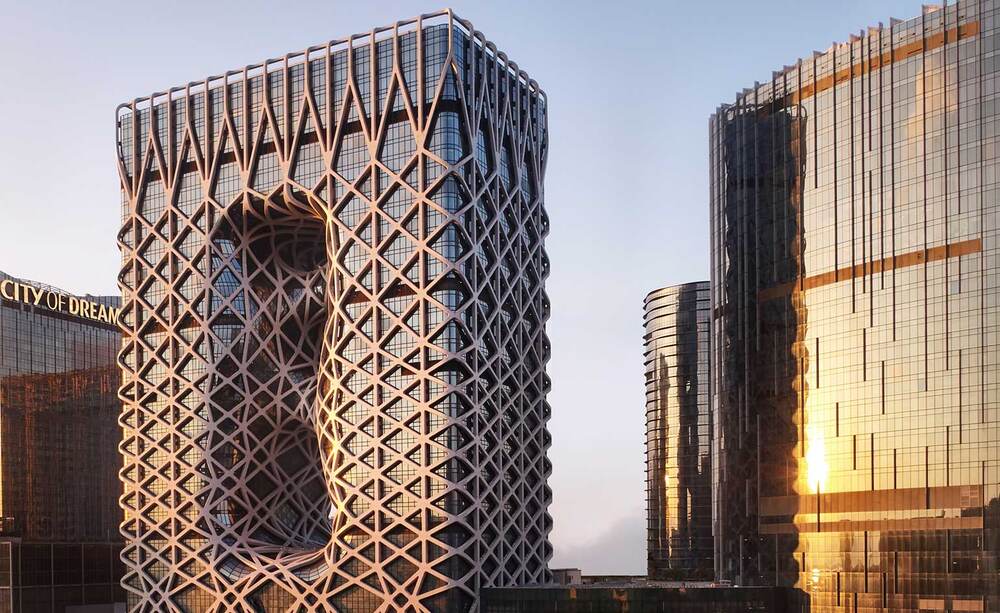
Architect: Zaha Hadid Architects | Completed: 2018 | Typology: Hotel
The Morpheus Hotel is one of the world’s first free-form exoskeleton high-rises. Its dramatic voids — three-dimensional openings carved through the building’s mass — were generated through parametric algorithms that merged architectural expression with structural logic. The exoskeleton eliminates the need for interior columns, creating vast, uninterrupted floor plates.
Every steel node in the exoskeleton was digitally fabricated to unique specifications, with the facade expressing the building’s structural forces as a visible, sculptural element. The Morpheus represents one of the most ambitious integrations of parametric design, structural engineering, and digital fabrication in contemporary architecture.
Sources: Zaha Hadid Architects · ArchDaily · Dezeen
9. The Oculus (World Trade Center Transportation Hub) — New York, USA
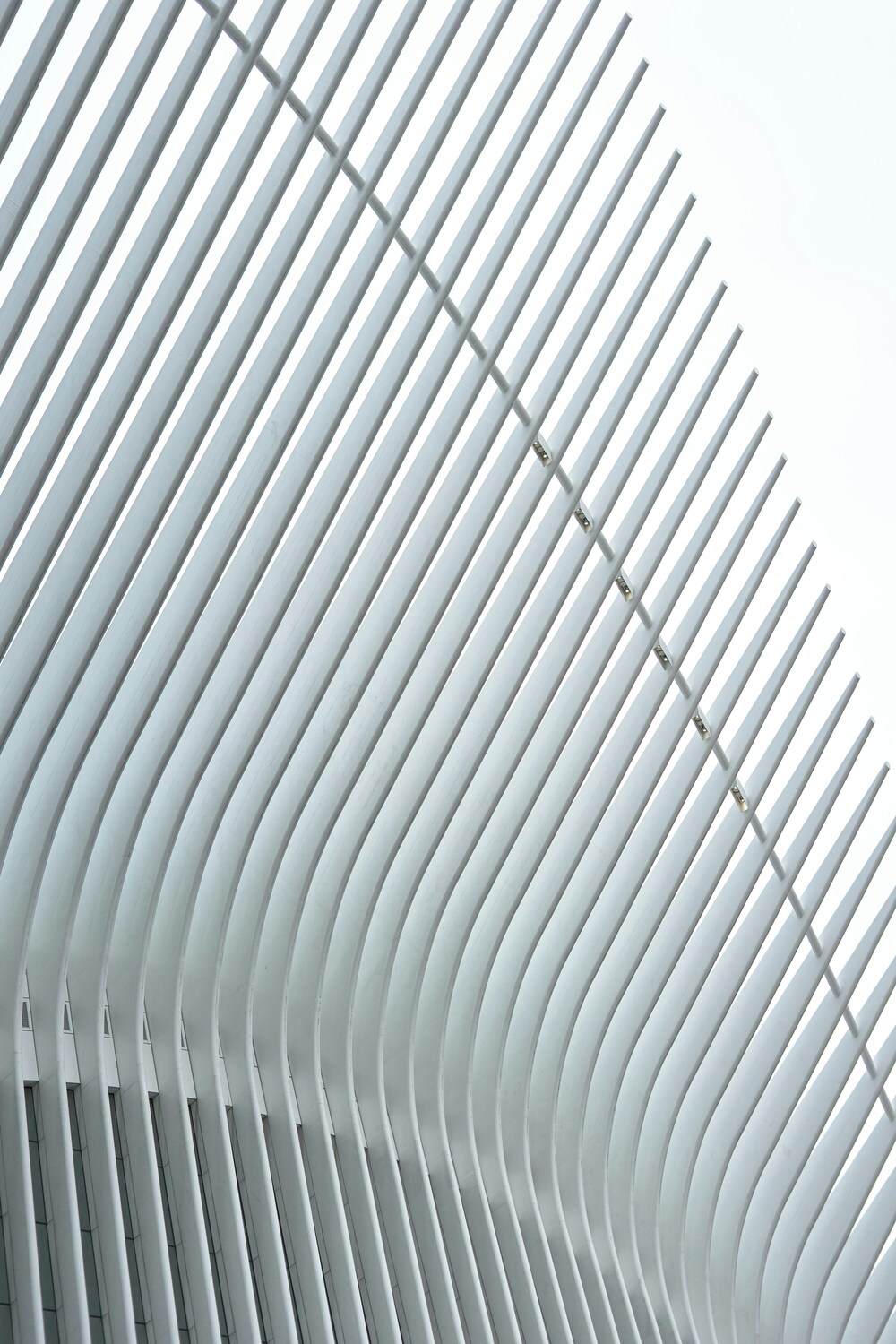
Architect: Santiago Calatrava | Completed: 2016 | Typology: Transportation Hub
Santiago Calatrava’s Oculus at the World Trade Center site is a masterwork of parametric structural design. Its soaring ribbed structure — resembling a bird in flight — features massive steel arches that span the transit hall below, with a glazed central spine that floods the underground station with natural light.
Calatrava is renowned for integrating architectural and structural engineering into a single parametric system. The Oculus embodies this philosophy: every rib, every curve, every structural member serves both an aesthetic and a load-bearing function. The operable skylight along the central axis opens once a year on September 11, directing a beam of sunlight into the memorial below.
Sources: Santiago Calatrava · ArchDaily · Dezeen
10. Canton Tower — Guangzhou, China
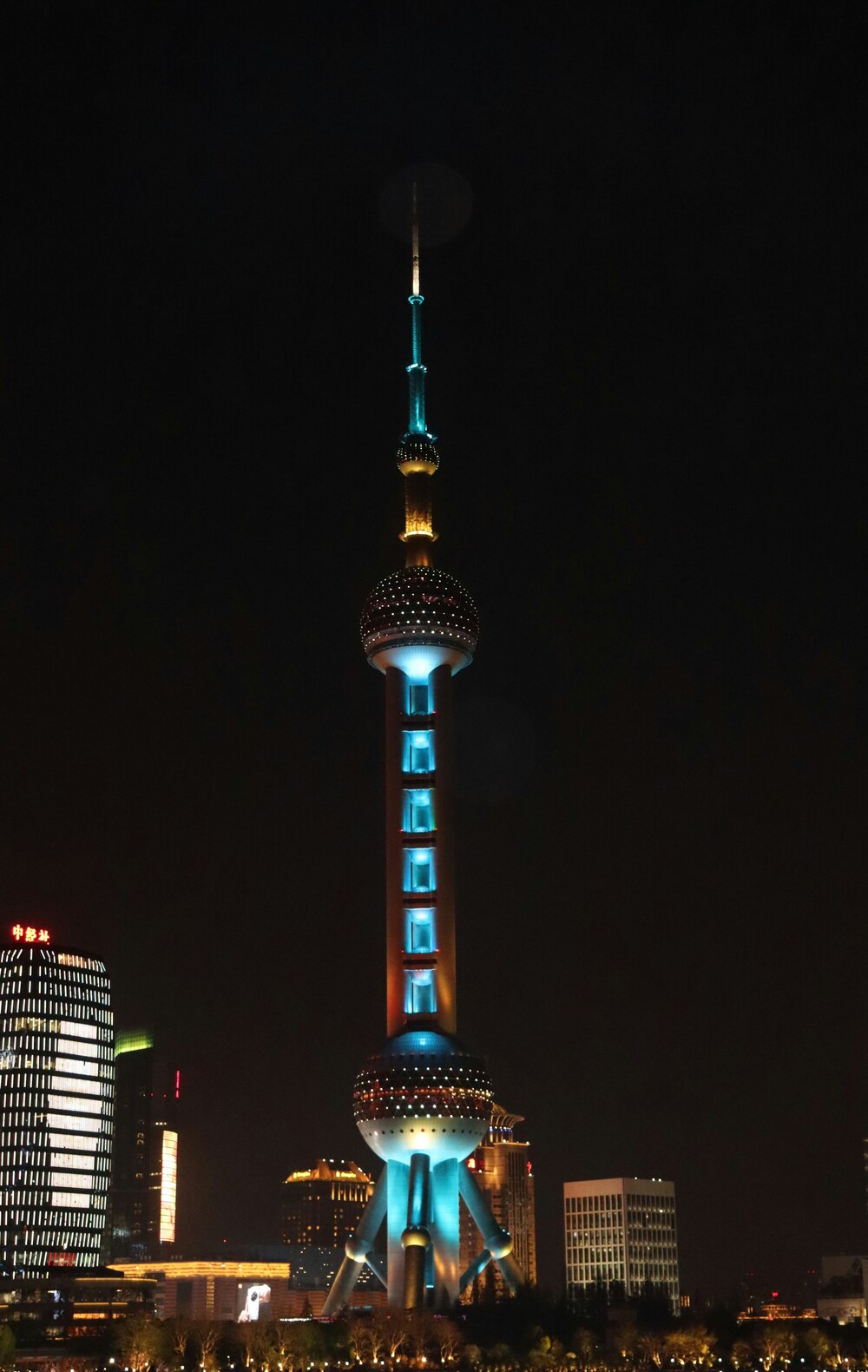
Architect: Information Based Architecture (IBA) | Completed: 2010 | Typology: TV / Observation Tower
The Canton Tower was the world’s first parametric TV tower. Its hyperboloid lattice structure — a twisted grid of steel tubes — was entirely generated through parametric algorithms that optimized the form for both structural stability and programmatic efficiency. The narrow waist and expanding top and base create a dynamic silhouette while accommodating observation decks, exhibition spaces, cinemas, and conference facilities.
At 600 meters including its antenna, the Canton Tower demonstrates how parametric design can transform a utilitarian infrastructure typology into an iconic urban landmark.
Sources: ArchDaily · Wikipedia
11. Al Bahar Towers — Abu Dhabi, UAE
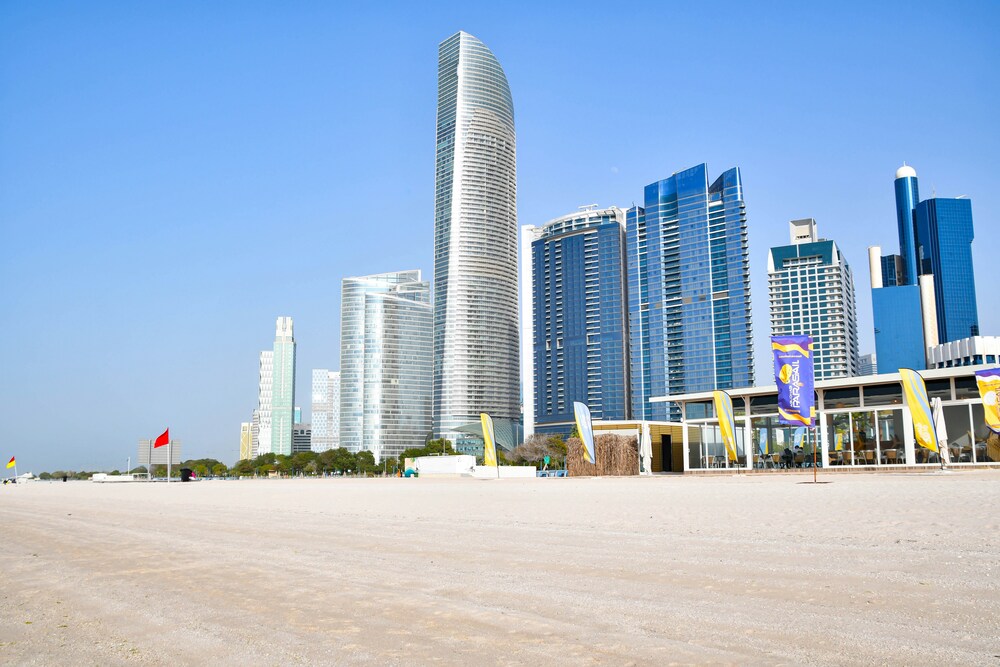
Architect: Aedas Architects | Completed: 2012 | Typology: Commercial Office
The Al Bahar Towers feature one of the most innovative parametric facade systems ever built. Inspired by traditional mashrabiya screens, the building’s exterior consists of 2,098 umbrella-like shading elements (1,049 per tower) controlled by parametric algorithms that respond to the sun’s movement throughout the day. Each element opens and closes automatically to reduce solar heat gain by up to 50%.
This project is a landmark example of how parametric design can move beyond form-making to deliver measurable environmental performance — using computation to create responsive, adaptive architecture rooted in cultural tradition.
Did You Know?
The Al Bahar Towers’ responsive facade reduces solar heat gain by approximately 50%, demonstrating that parametric design can deliver significant sustainability benefits alongside visual impact.
Sources: Aedas Architects · ArchDaily · Dezeen
12. Museo Soumaya — Mexico City, Mexico
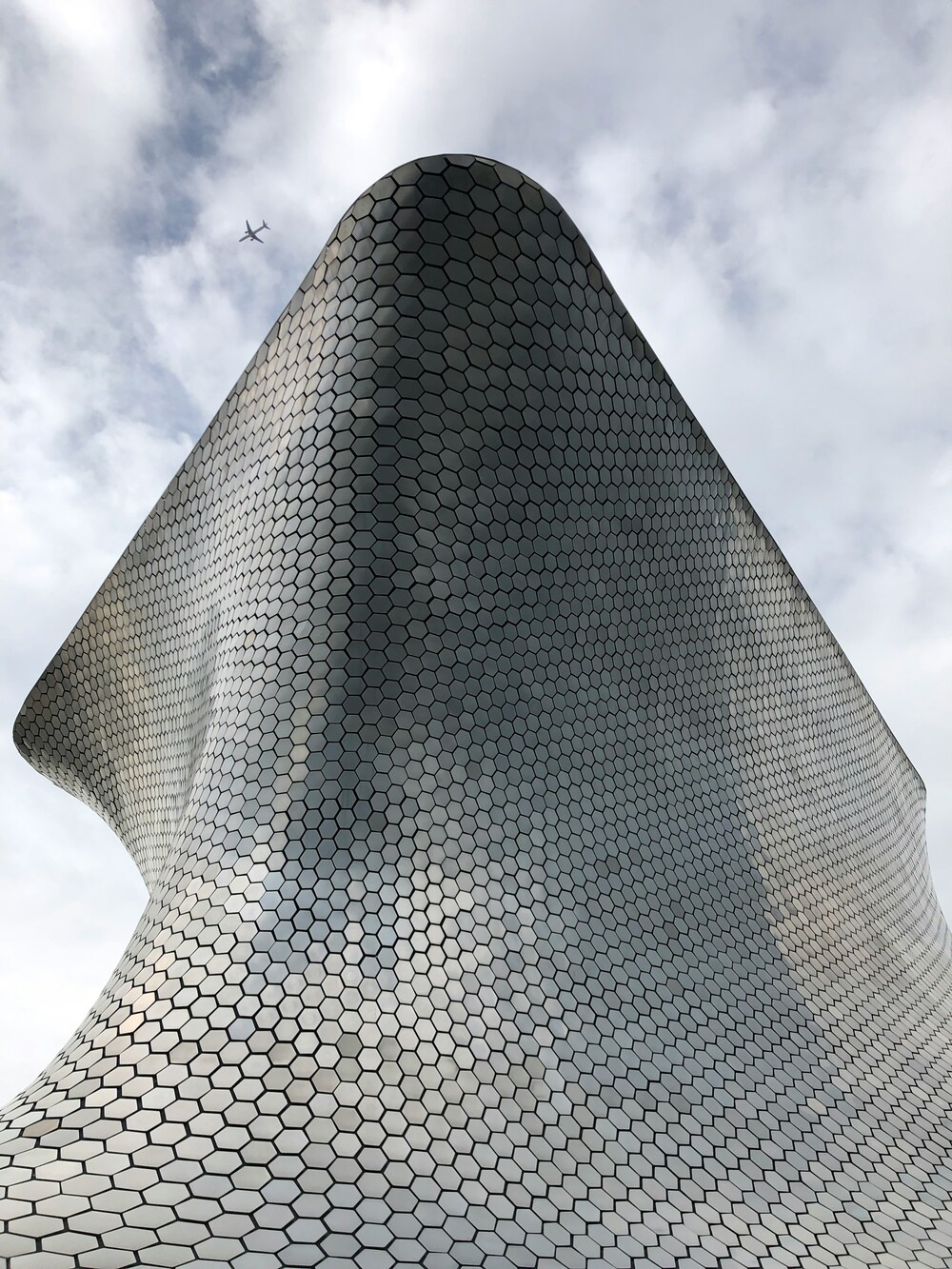
Architect: FR-EE (Fernando Romero Enterprise) | Completed: 2011 | Typology: Museum
The Museo Soumaya rises from Mexico City’s Nuevo Polanco district as an asymmetrical, windowless monolith clad in 16,000 hexagonal aluminum tiles. Its parametric form — an irregular, swelling volume that defies conventional structural logic — required extensive computational modeling to resolve the complex geometry and ensure structural integrity under seismic loads.
The absence of windows is a deliberate choice for artwork preservation, while the reflective facade creates constantly shifting visual effects as light conditions change. The Museo Soumaya proves that parametric design can produce buildings that feel simultaneously futuristic and sculptural.
Sources: Museo Soumaya Official · ArchDaily · Dezeen
Quick Comparison: Iconic Parametric Buildings at a Glance
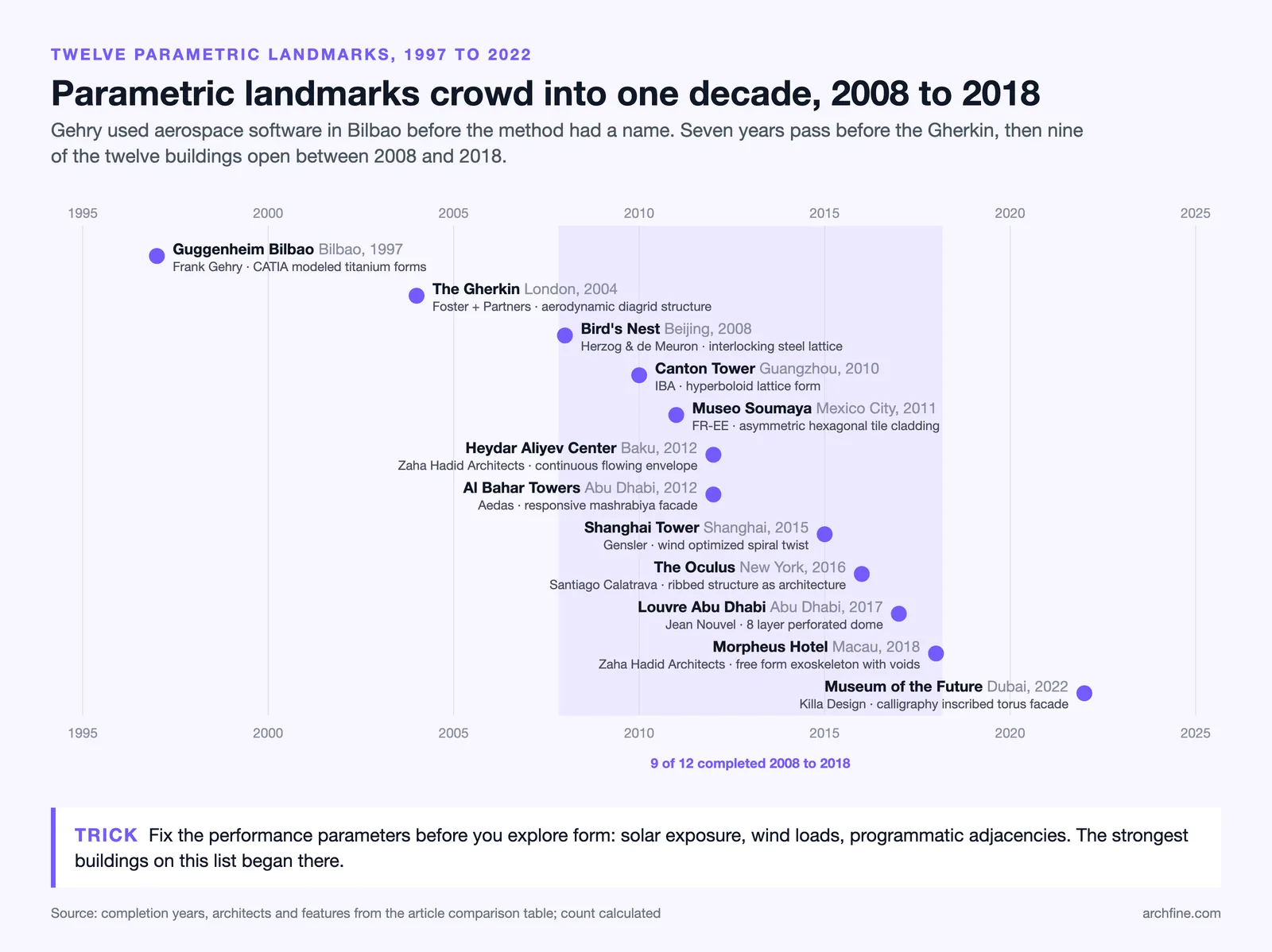
| Building | Location | Architect | Year | Key Parametric Feature |
|---|---|---|---|---|
| Heydar Aliyev Center | Baku, Azerbaijan | Zaha Hadid Architects | 2012 | Continuous flowing envelope |
| Guggenheim Bilbao | Bilbao, Spain | Frank Gehry | 1997 | CATIA-modeled titanium forms |
| Museum of the Future | Dubai, UAE | Killa Design | 2022 | Calligraphy-inscribed torus facade |
| Bird’s Nest | Beijing, China | Herzog & de Meuron | 2008 | Interlocking steel lattice |
| The Gherkin | London, UK | Foster + Partners | 2004 | Aerodynamic diagrid structure |
| Louvre Abu Dhabi | Abu Dhabi, UAE | Jean Nouvel | 2017 | 8-layer perforated dome |
| Shanghai Tower | Shanghai, China | Gensler | 2015 | Wind-optimized spiral twist |
| Morpheus Hotel | Macau, China | Zaha Hadid Architects | 2018 | Free-form exoskeleton with voids |
| The Oculus | New York, USA | Santiago Calatrava | 2016 | Ribbed structural-architectural unity |
| Canton Tower | Guangzhou, China | IBA | 2010 | Hyperboloid lattice form |
| Al Bahar Towers | Abu Dhabi, UAE | Aedas | 2012 | Responsive mashrabiya facade |
| Museo Soumaya | Mexico City, Mexico | FR-EE | 2011 | Asymmetric hexagonal tile cladding |
The Software Behind Parametric Architecture
These iconic buildings would not exist without the computational tools that enabled their design and construction. The parametric architecture workflow typically relies on several key software platforms, each serving a distinct role in the process from concept through fabrication.
Rhino paired with Grasshopper is the most widely used parametric design environment in architecture, offering visual programming for generating and manipulating complex geometries. Autodesk Revit combined with Dynamo brings parametric capabilities into the BIM workflow, allowing architects to connect design logic with construction documentation. CATIA, originally from aerospace, was adapted by Gehry Partners and remains essential for extremely complex freeform projects. Generative Components by Bentley Systems excels in large-scale infrastructure and civil engineering applications.
More recently, AI-powered tools have entered the visualization pipeline. Platforms like ArchFine enable architects and designers to transform parametric sketches and design concepts into photorealistic renders within seconds — dramatically reducing the time between ideation and visual communication. This is especially valuable in the early design phases of parametric projects, where rapid iteration and client communication are critical.
The Future of Parametric Design
Parametric architecture is entering a new phase driven by three converging forces: artificial intelligence, advanced fabrication technologies, and growing sustainability demands. AI is increasingly being used not just for rendering, but for generative design — where machine learning algorithms propose optimized forms based on performance criteria that include structural efficiency, energy consumption, daylighting, and material use.
Robotic fabrication and 3D printing are making it economically viable to produce the highly customized, non-repetitive components that parametric designs require. What was once prohibitively expensive — producing thousands of unique facade panels, for example — is becoming standard practice through digital manufacturing pipelines.
At the same time, parametric tools are becoming more accessible. Platforms with AI-powered capabilities, such as ArchFine, are lowering the barrier to entry for students, emerging architects, and designers who want to explore parametric concepts without years of specialized software training. The ability to quickly visualize parametric ideas in photorealistic quality accelerates the design feedback loop and democratizes access to computational design thinking.
Pro Tip
When starting a parametric design project, begin with clear performance parameters (solar exposure, wind loads, programmatic adjacencies) before exploring form. The strongest parametric buildings in this list all started with performance logic — not arbitrary formal experimentation.
Visualize Your Parametric Designs with AI
One of the biggest challenges in parametric design has always been communicating complex geometries to clients, stakeholders, and approval bodies. Traditional rendering workflows for parametric projects can take days or weeks due to the geometric complexity involved.
ArchFine solves this by using AI to generate high-quality architectural renders from sketches, concepts, and design inputs in seconds rather than days. Whether you are designing a flowing cultural center inspired by the Heydar Aliyev Center or exploring twisted tower geometries like the Shanghai Tower, ArchFine helps you visualize and iterate at the speed your creative process demands.
Frequently Asked Questions
What is the most famous parametric building in the world?
The Heydar Aliyev Center in Baku by Zaha Hadid Architects and the Guggenheim Museum Bilbao by Frank Gehry are widely considered the most famous parametric buildings. The Heydar Aliyev Center is celebrated for its seamless flowing form, while the Guggenheim Bilbao is credited with pioneering the use of aerospace software (CATIA) in architecture.
What software is used to design parametric buildings?
The most common tools include Rhino with Grasshopper for parametric modeling, Autodesk Revit with Dynamo for BIM-integrated parametric design, CATIA for complex freeform projects, and Generative Components for infrastructure. AI-powered visualization platforms like ArchFine are increasingly used for rapid rendering of parametric concepts.
How does parametric design improve building performance?
Parametric design optimizes buildings by running computational simulations for wind loads, solar exposure, structural efficiency, and energy performance. For example, the Shanghai Tower’s parametric twist reduces wind forces by 24%, and the Al Bahar Towers’ responsive facade cuts solar heat gain by approximately 50%.
Is parametric architecture more expensive to build?
Parametric buildings can involve higher fabrication costs due to non-repetitive, custom components. However, parametric optimization often reduces material waste and improves structural efficiency, which can offset construction costs. Advances in digital fabrication and robotic manufacturing are making parametric construction increasingly cost-competitive.
Can AI help with parametric design?
Yes. AI is increasingly integrated into parametric workflows for generative design (proposing optimized forms), structural analysis, energy simulation, and — importantly — visualization. Platforms like ArchFine use AI to convert architectural sketches and ideas into photorealistic 3D renders instantly, making parametric design exploration faster and more accessible.
Who is the pioneer of parametric architecture?
While Antoni Gaudí is considered a conceptual precursor, the modern parametric architecture movement is most closely associated with Zaha Hadid and Patrik Schumacher, who formalized “Parametricism” as an architectural style. Frank Gehry also played a pivotal role by adapting aerospace software for architectural applications in the 1990s.